


























offensive
o
ə
ē
ffen
ˈfɛn
fen
sive
sɪv
siv
British pronunciation
/əfˈɛnsɪv/

“offensive”的英语定义和含义

offensive
01

冒犯的, 无礼的

causing someone to feel deeply hurt, upset, or angry due to being insulting, disrespectful, or inappropriate
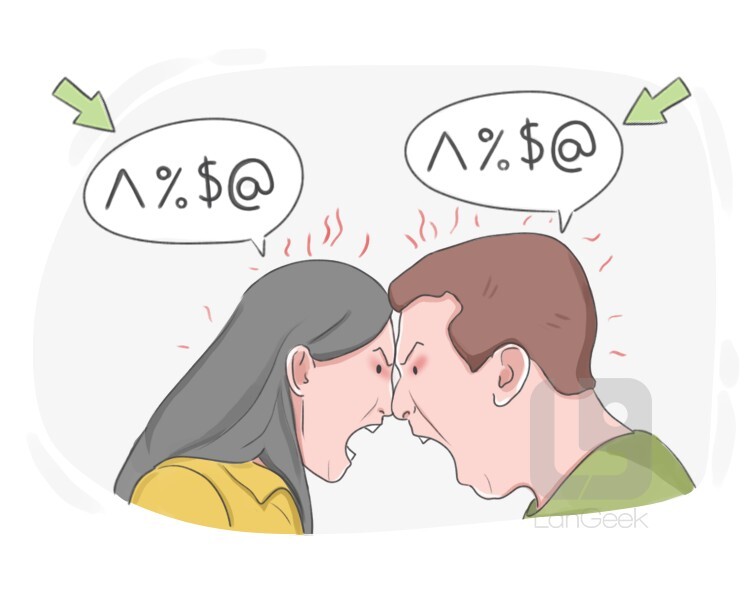
offensive definition and meaning
example
例子
His offensive jokes made many people uncomfortable at the party.
冒犯性的玩笑让派对上的许多人感到不舒服。
Using offensive language can hurt others' feelings and damage relationships.
使用冒犯性语言可能会伤害他人的感情并损害关系。
02

进攻的, 侵略性的

aimed at attacking or engaging the enemy, particularly in a military context
example
例子
The army prepared for an offensive operation to reclaim the occupied city.
军队准备了一次进攻性行动以夺回被占领的城市。
The general launched an aggressive offensive to disrupt the enemy's supply lines.
将军发动了一次激进的进攻以破坏敌人的补给线。
03

冒犯的, 令人作呕的

causing strong displeasure or disgust, particularly affecting the senses
example
例子
The offensive odor from the sewage treatment plant permeated the air in the vicinity.
污水处理厂发出的刺鼻气味弥漫在周围的空气中。
The abandoned refrigerator emitted an offensive smell, indicating the decomposition of its contents.
被遗弃的冰箱散发出令人不快的气味,表明其内容物正在分解。
Offensive
01

进攻

a military or strategic attack
example
例子
The army launched an offensive to reclaim the territory.
军队发动了一次进攻以收复领土。
The surprise offensive caught the opposing troops off guard.
这次突然的进攻让敌军措手不及。
LanGeek
下载应用程序
langeek application

Download Mobile App

stars

app store
