






























to live on
01
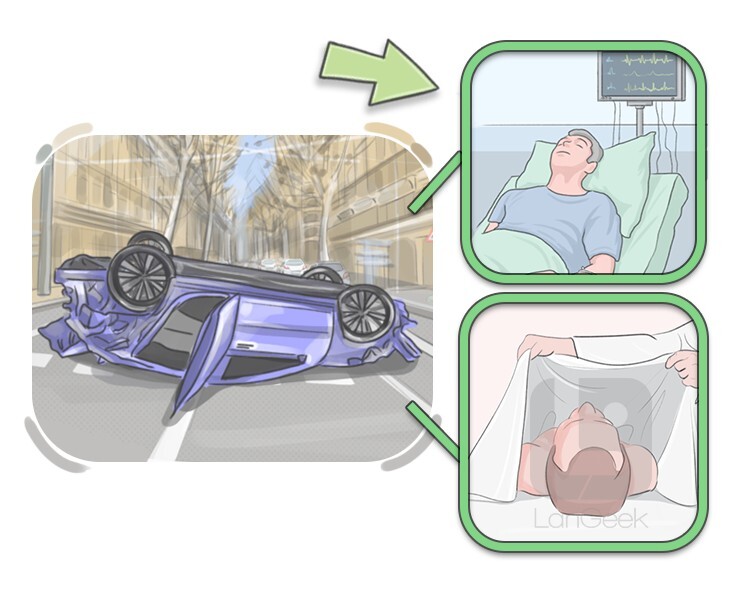
살아남다, 계속 살다
to remain alive
Intransitive
문법 정보
형태적 구성
구동사
상태 동사
규칙
분리 불가능
불변화사
on
기본 동사
live
현재 시제
live on
3인칭 단수
lives on
현재분사
living on
단순 과거
lived on
과거분사
lived on
예시들
The old woman lived on for many years after her husband passed away.
그 노파는 남편이 죽은 후에도 오랫동안 살아남았다.
02
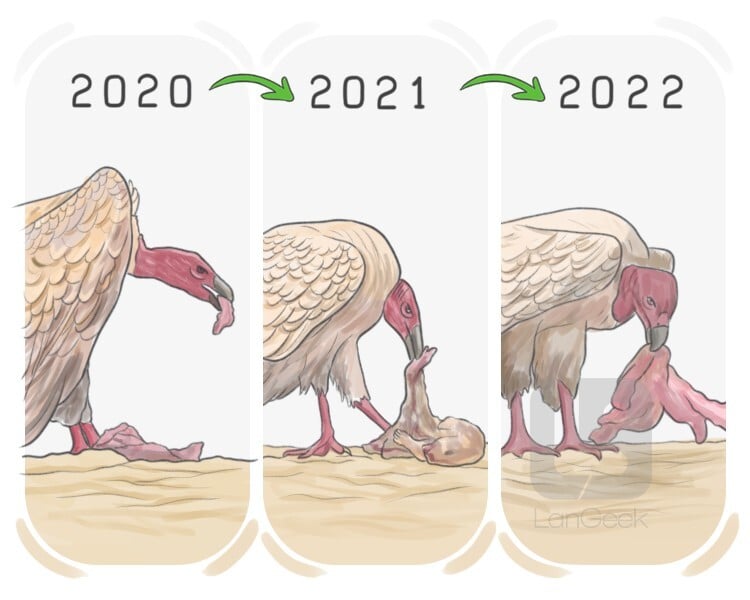
생계를 유지하다, 특정 종류의 음식만 먹다
to eat only a certain type of food
Transitive: to live on a certain type of food
예시들
Scavengers live on dead animals, helping to clean up ecosystems.
청소동물은 죽은 동물을 먹고 살며 생태계를 정화하는 데 도움을 줍니다.
03
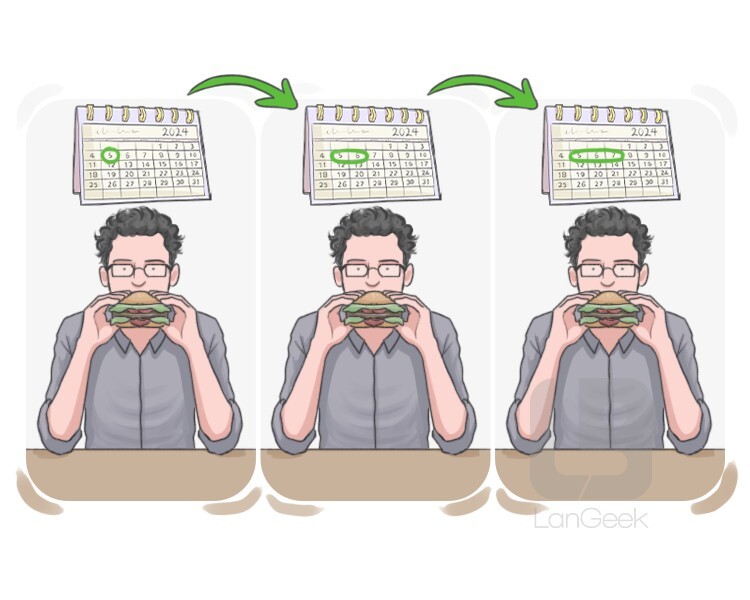
주로 한 종류의 음식으로 살다, ~에 의존해 생활하다
to eat mainly one type of food, often in an unhealthy or unbalanced way
Transitive: to live on one type of food
예시들
The individual lived on processed foods and convenience meals, having fresh vegetables very rarely.
그 개인은 가공 식품과 편의 식품으로 생활했으며, 신선한 채소를 매우 드물게 먹었습니다.
04
생활하다, 생계를 유지하다
to have the amount of money needed to buy necessities
Transitive: to live on a source of income
예시들
The homeowner lived on a fixed income, carefully budgeting their expenses to ensure they could afford property taxes and maintenance.
그 집주인은 고정 수입으로 생계를 유지하며, 재산세와 유지 보수를 감당할 수 있도록 지출을 신중하게 예산 책정했습니다.
05
계속 살아있다, 지속되다
to persist in existence over time
Intransitive
예시들
The ancient traditions of the indigenous people live on through their descendants.
토착민들의 고대 전통은 그들의 후손을 통해 계속 이어져 오고 있습니다.


