






























Future
01
未来, 将来
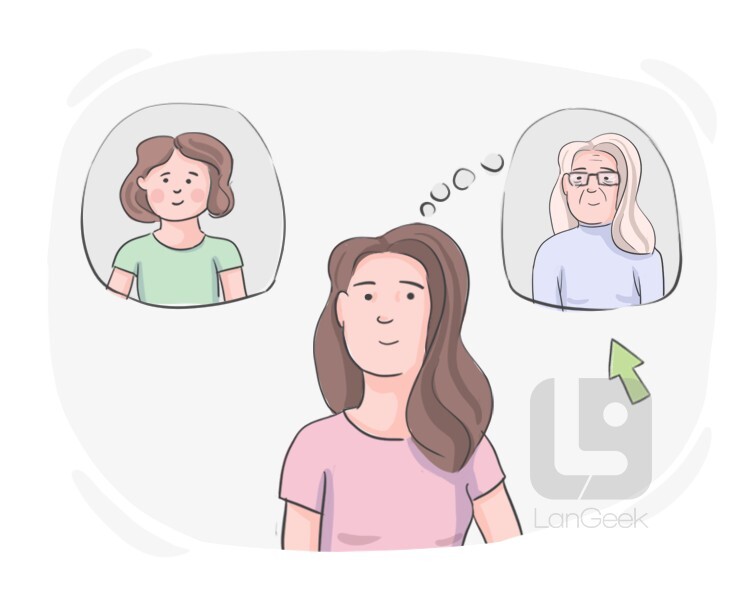
the time that will come after the present or the events that will happen then
文法情報
有生性の状態
抽象的
形態的構成
単純語
不可算
singular
not gender specific
例
She's excited about her future at the new job.
彼女は新しい仕事での未来に興奮しています。
02
未来, 展望
the great possibility of someone or something reaching great success or continuing to survive
例
After considering his options, he realized there was no future in staying at his current job.
自分の選択肢を考慮した後、彼は現在の仕事に留まることに未来がないことに気づいた。
例
The government is planning a debate on the future of renewable energy in the country.
政府は国内の再生可能エネルギーの未来についての討論を計画しています。
04
未来, 将来
a tense used to express actions or events that will occur at a time later than the present
例
Teachers often explain the future by giving examples of upcoming actions, like "He will finish his homework later."
教師はよく、"彼は後で宿題を終わらせるでしょう。"のような今後の行動の例を挙げて未来を説明します。
05
先物契約, 先物
contracts where assets like commodities or shares are bought at a predetermined price, but the transaction is completed at a later date
例
Traders use futures to lock in prices for commodities such as oil or wheat.
トレーダーは、石油や小麦などの商品の価格を固定するために先物を使用します。
future
文法情報
形態的構成
単純語
関係形容詞
程度表現不可
分野
time, planning
例
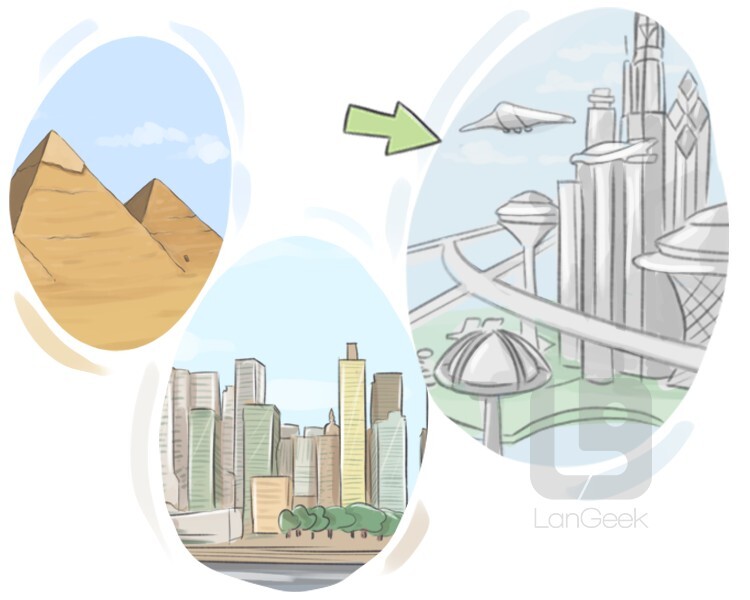
Planning for future projects is essential for the company's growth.
会社の成長のためには、将来のプロジェクトの計画が不可欠です。
02
将来の, 未来の
(of people) expected or destined to take on a particular role or position at a later time
例
He introduced her as his future wife during the family gathering.
彼は家族の集まりで彼女を将来の妻として紹介した。
03
未来の, これからの
(grammar) describing a form used to indicate actions or events that have not yet occurred
例
The phrase "She will call you tomorrow" uses a future form to describe an action that hasn't happened yet.
「彼女は明日あなたに電話するでしょう」という文は、まだ起こっていない行動を説明するために未来形を使用しています。
LanGeek
モバイルアプリをダウンロード

語彙ツリー
futureless
futurism
futurist
future

