






























Future
01
미래, 앞날
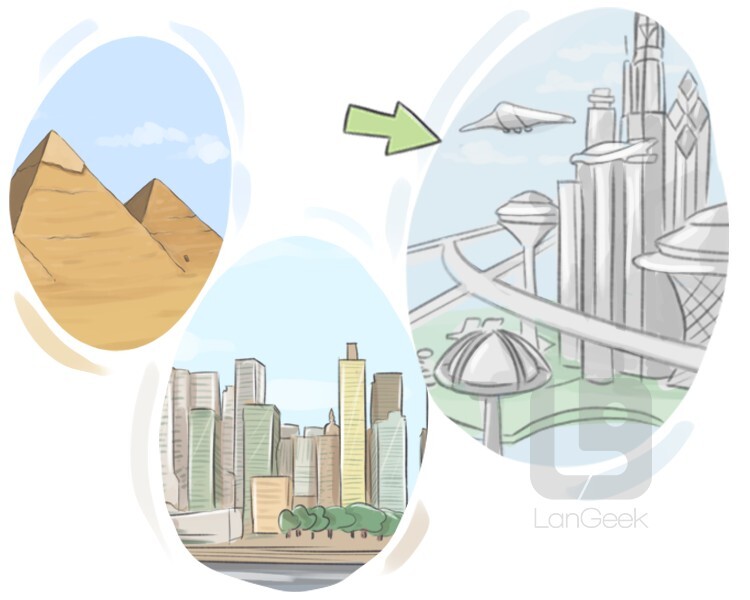
the time that will come after the present or the events that will happen then

문법 정보
유생성 상태
추상
형태적 구성
단순어
불가산
singular
not gender specific
예시들
She's excited about her future at the new job.
그녀는 새로운 직장에서의 미래에 대해 흥분하고 있습니다.
02
미래, 전망
the great possibility of someone or something reaching great success or continuing to survive
예시들
After considering his options, he realized there was no future in staying at his current job.
그의 선택을 고려한 후, 그는 현재 직장에 머무는 데 미래가 없다는 것을 깨달았다.
예시들
The government is planning a debate on the future of renewable energy in the country.
정부는 국가의 재생 가능 에너지의 미래에 대한 토론을 계획하고 있습니다.
04
미래, 장래
a tense used to express actions or events that will occur at a time later than the present
예시들
Teachers often explain the future by giving examples of upcoming actions, like "He will finish his homework later."
교사들은 종종 "그는 나중에 숙제를 끝낼 것이다."와 같은 다가올 행동의 예를 들어 미래를 설명합니다.
05
선물 계약, 선물
contracts where assets like commodities or shares are bought at a predetermined price, but the transaction is completed at a later date
예시들
Traders use futures to lock in prices for commodities such as oil or wheat.
거래자들은 석유나 밀과 같은 상품의 가격을 고정하기 위해 선물을 사용합니다.
future
문법 정보
형태적 구성
단순어
관계형
등급화 불가
분야
time, planning
예시들
Planning for future projects is essential for the company's growth.
회사의 성장을 위해 미래 프로젝트를 계획하는 것이 필수적입니다.
02
미래의, 다가올
(of people) expected or destined to take on a particular role or position at a later time
예시들
He introduced her as his future wife during the family gathering.
그는 가족 모임에서 그녀를 그의 미래 아내로 소개했습니다.
03
미래의, 다가올
(grammar) describing a form used to indicate actions or events that have not yet occurred
예시들
The phrase "She will call you tomorrow" uses a future form to describe an action that hasn't happened yet.
"그녀는 내일 너에게 전화할 것이다"라는 문장은 아직 일어나지 않은 행동을 설명하기 위해 미래 시제를 사용합니다.
LanGeek
모바일 앱 다운로드

어휘 나무
futureless
futurism
futurist
future

