






























to fall back
01
後退する, 撤退する
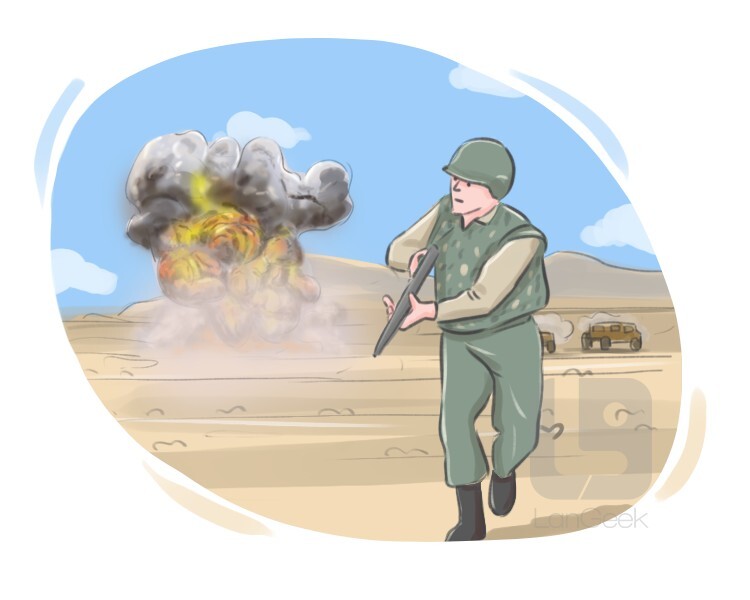
to move back, often from a challenging situation or conflict
文法情報
形態的構成
句動詞
移動動詞
規則的
分離可能
不変化詞
back
基本動詞
fall
現在時制
fall back
三人称単数
falls back
現在分詞
falling back
単純過去
fell back
過去分詞
fallen back
例
Faced with overwhelming enemy forces, the soldiers had to fall back to a more defensible position.
圧倒的な敵の勢力に直面し、兵士たちはより防御可能な位置に後退しなければならなかった。
02
後ろに倒れる, 後退して転ぶ
to suddenly lose one's balance and fall backward
例
Losing his footing on the slippery slope, he began to fall back, narrowly avoiding a more serious tumble.
滑りやすい斜面で足を踏み外し、彼は後ろに倒れ始め、かろうじてより深刻な転倒を避けた。
03
後戻りする, 元に戻る
to revert to a previous state of bad behavior, habit, or practice, especially after making an effort to change
例
Despite his efforts to quit smoking, he fell back into the habit during times of stress.
禁煙しようとする努力にもかかわらず、彼はストレスの多い時期にその習慣に戻ってしまった。
04
頼る, に依存する
to rely on something as a backup or alternative plan
例
When the original plan failed, they had to fall back on their contingency strategy.
当初の計画が失敗したとき、彼らは予備戦略に頼らざるを得なかった。
05
後退する, 減少する
to reduce in number or value
例
The demand for the product fell back after the initial surge in sales.
その製品の需要は、売上の最初の急増後に減少しました。


