

to disfavor
01
不利にする, 害する
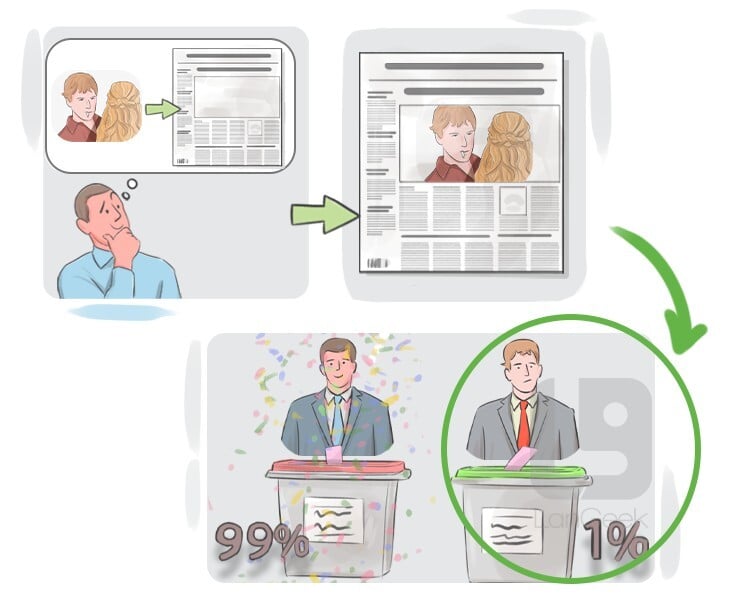
to disadvantage or harm someone or something by hindering their progress
Transitive: to disfavor sb/sth

例
The new policies disfavored small businesses, making it difficult for them to compete with larger corporations.
新しい政策は中小企業を不利にし、大企業との競争を困難にした。
Disfavor
01
不評, 不支持
a feeling of not liking or rejecting someone or something
例
The new policy received widespread disfavor from employees.
新しい政策は従業員から広範な不賛成を受けた。
02
不人気, 不支持
the state of not being liked or accepted
例
The unpopular decision found itself in disfavor among the community members.
人気のない決定は、コミュニティのメンバーの間で不人気に見つかりました。