






























with
01
と, と一緒に
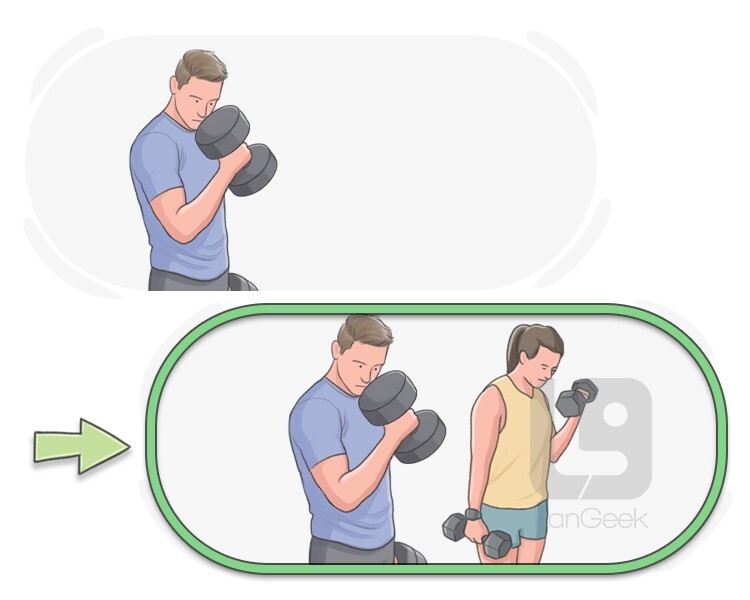
used when two or more things or people are together in a single place
文法情報
例
I went to the park with my friends.
私は友達と公園に行きました。
02
と, の
used to indicate association or ownership of something
例
The painting on the wall with the golden frame is a masterpiece.
金色の枠のある壁の絵は傑作です。
例
She painted the picture with a brush.
彼女はブラシでその絵を描いた。
04
と, に対して
used to indicate engagement in a struggle or conflict alongside or against someone
例
He got into a heated argument with his neighbor.
彼は隣人と激しい議論をした。
05
と, のそばに
used to signify standing alongside or providing assistance to someone or something
例
She stood with her friend during a difficult time.
彼女は困難な時期に友人と共に立っていた。
06
で
used to indicate the way or method in which an action is performed
例
She danced with grace and elegance.
彼女は優雅さと上品さをもって踊った。
07
と
used to indicate the person or entity who is accountable or in charge of something
例
The task of organizing the event is with our team.
イベントの組織化の任務は私たちのチームとあります。
08
と, に対して
used to indicate the recipient or target of the specific emotional state or feeling
例
She was angry with her friend for betraying her trust.
彼女は友人を信頼を裏切ったことでに怒っていた。
09
で
used to specify the factor or circumstance that contributes to a particular outcome or situation
例
He became ill with the flu after being exposed to a sick coworker.
彼は病気の同僚に接触した後、インフルエンザで病気になりました。
10
と, で
used to indicate association with a particular organization or company
例
They are with a tech startup.
彼らはテックスタートアップと一緒です。
11
と共に
used to indicate being in the same direction as something or someone
例
The birds flew with the wind.
鳥たちは風 とともに 飛んだ。
12
と、なしで
used to indicate separation or removal
例
She parted ways with her old friends.
彼女は昔の友達と別れた。
13
で
used to indicate the material that is used for a purpose
例
He made a sculpture with clay and wire.
彼は粘土と針金で彫刻を作った。


