






























Stress
文法情報
有生性の状態
抽象的
形態的構成
単純語
不可算
singular
not gender specific
複数形
stresses
例
The constant stress of her job was affecting her health.
彼女の仕事の絶え間ないストレスが健康に影響を与えていた。
1.1
ストレス, 緊張
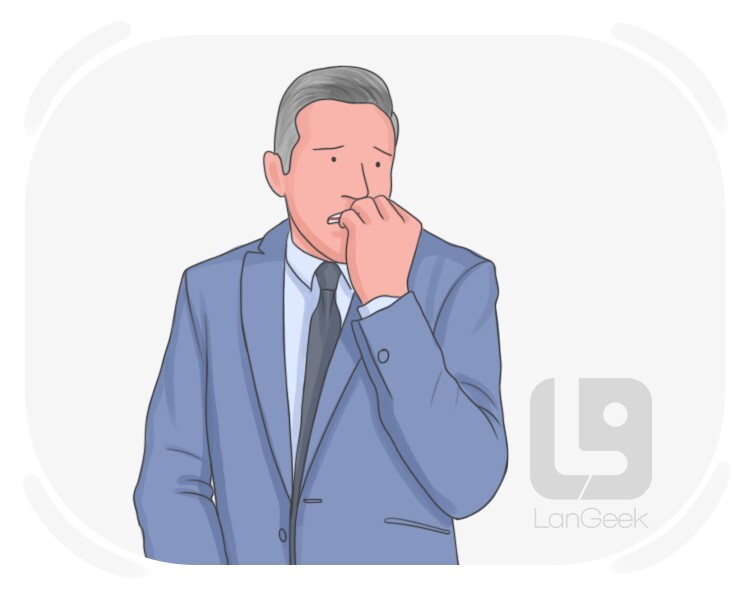
(psychology) a state of mental or emotional strain or suspense
例
Chronic stress can lead to anxiety or depression.
慢性的なストレスは、不安やうつ病につながる可能性があります。
02
強勢, アクセント
special emphasis placed on a word, syllable, or element to indicate importance
例
In English, stress usually falls on the first syllable of nouns.
英語では、強勢は通常、名詞の最初の音節に置かれます。
2.1
強勢, アクセント
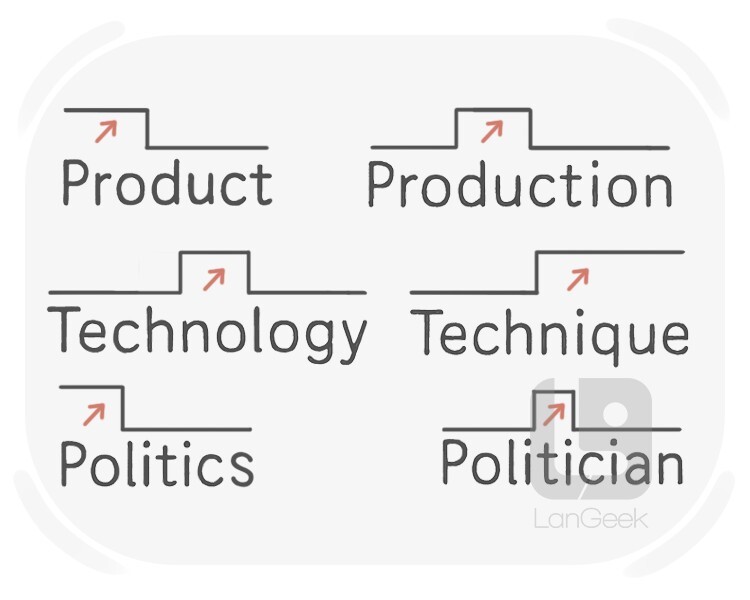
(phonetics) an added force when pronouncing a syllable or word
例
In English, stress is important because it can change the meaning of a word, such as 'record' as a noun versus 'record' as a verb.
英語では、強勢が重要です。なぜなら、それは単語の意味を変えることができるからです。例えば、名詞としての 'record' と動詞としての 'record' のように。
03
応力, ストレス
force applied to a material that produces strain or deformation
例
The beam experienced stress under heavy load.
梁は重い荷重の下で応力を経験した。
to stress
01
強調する, 重点を置く
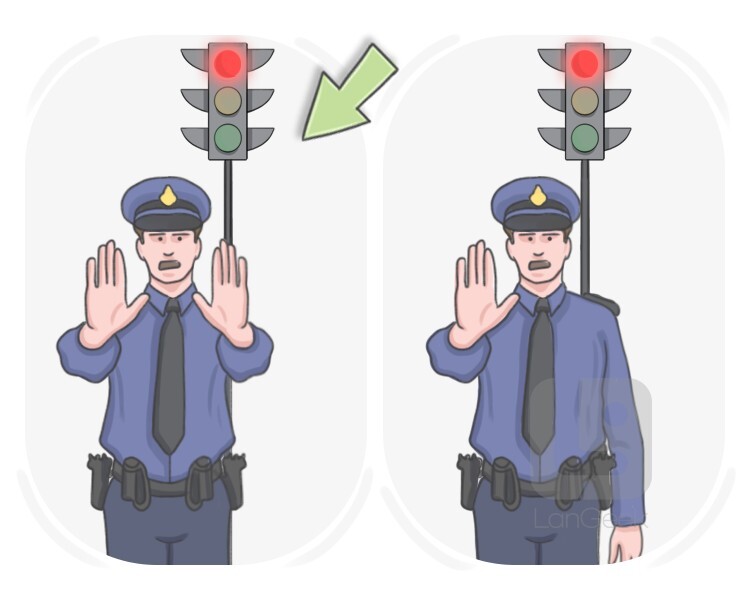
to emphasize a particular point or aspect
Transitive: to stress a point or aspect
文法情報
形態的構成
単純語
動作動詞
規則的
現在時制
stress
三人称単数
stresses
現在分詞
stressing
単純過去
stressed
過去分詞
stressed
例
The teacher stressed the need for thorough preparation before the exam.
先生は試験前の徹底的な準備の必要性を強調しました。
02
強調する, アクセントを置く
(phonetics) to utter a syllable in a word or phrase with more emphasis
Transitive: to stress a syllable
例
In the word "banana," English speakers stress the second syllable: ba-NA-na.
「banana」という単語では、英語話者は2番目の音節を強く発音します:ba-NA-na。
03
圧力または緊張をかける, ストレスをかける
to subject something to pressure or tension
Transitive: to stress sth
例
The fabric of the sailboat's sail is stressed to ensure it can withstand strong winds.
ヨットの帆の生地は、強い風に耐えられるようにストレスをかけられます。
LanGeek
モバイルアプリをダウンロード

語彙ツリー
stressful
stressify
stress

