






























to live on
01
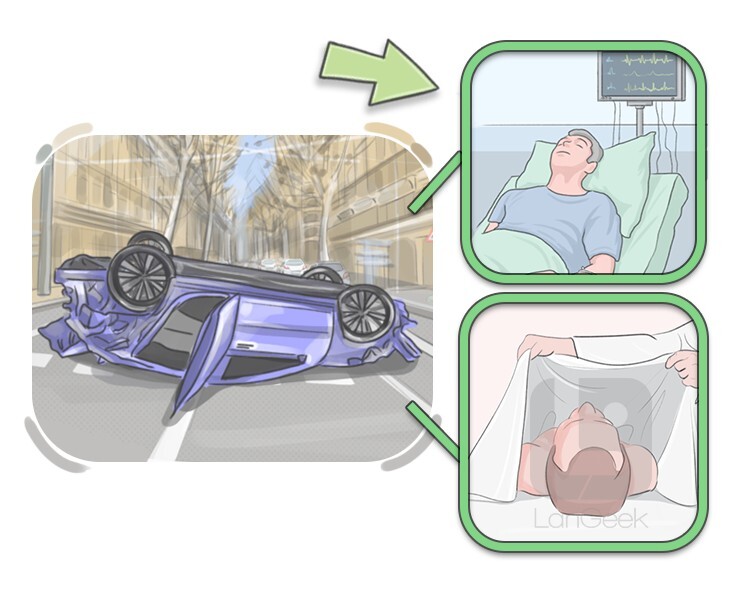
生き残る, 生き続ける
to remain alive
Intransitive
文法情報
形態的構成
句動詞
状態動詞
規則的
分離不可
不変化詞
on
基本動詞
live
現在時制
live on
三人称単数
lives on
現在分詞
living on
単純過去
lived on
過去分詞
lived on
例
The old woman lived on for many years after her husband passed away.
その老女は夫が亡くなった後も何年も生き続けた。
02
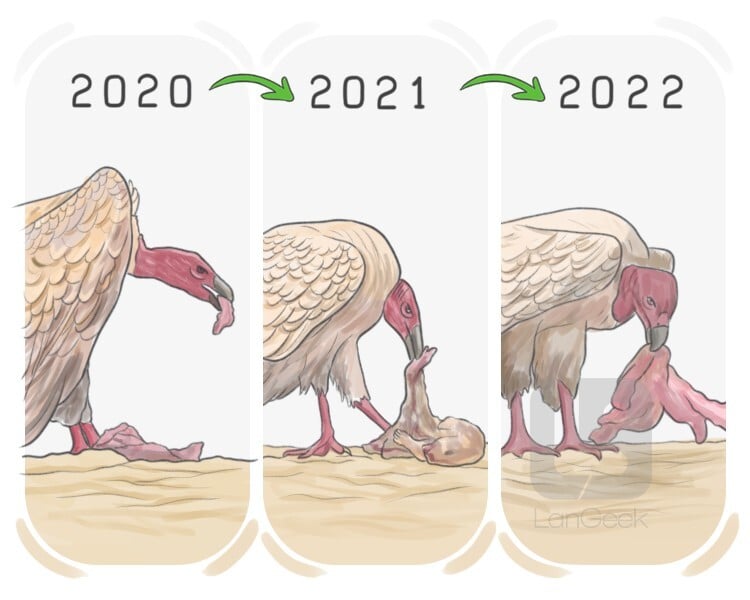
生きる, 特定の種類の食物だけを食べる
to eat only a certain type of food
Transitive: to live on a certain type of food
例
Scavengers live on dead animals, helping to clean up ecosystems.
スカベンジャーは死んだ動物を食べて生活し、生態系の清掃に役立ちます。
03
主に一種類の食べ物で生きる, ~で生活する
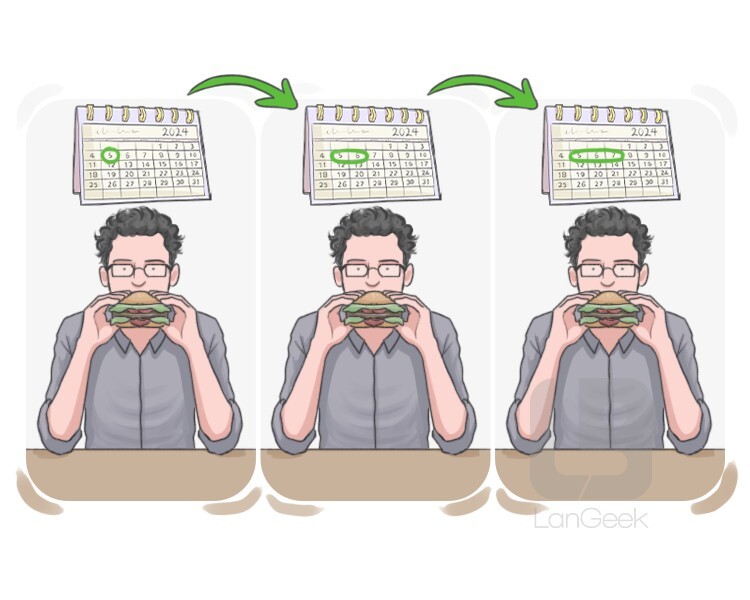
to eat mainly one type of food, often in an unhealthy or unbalanced way
Transitive: to live on one type of food
例
The individual lived on processed foods and convenience meals, having fresh vegetables very rarely.
その個人は加工食品と便利な食事で生きており、新鮮な野菜をめったに食べませんでした。
04
で生活する, で暮らす
to have the amount of money needed to buy necessities
Transitive: to live on a source of income
例
The homeowner lived on a fixed income, carefully budgeting their expenses to ensure they could afford property taxes and maintenance.
その家主は固定収入で生計を立てており、財産税と維持費を払えるように支出を慎重に予算立てしていました。
05
生き続ける, 存続する
to persist in existence over time
Intransitive
例
The ancient traditions of the indigenous people live on through their descendants.
先住民の古代の伝統は、彼らの子孫を通じて生き続けています。


