

অনুসন্ধান করুন
অভিধানের ভাষা নির্বাচন করুন





























to borrow
01
ধার করা, উধার নেওয়া
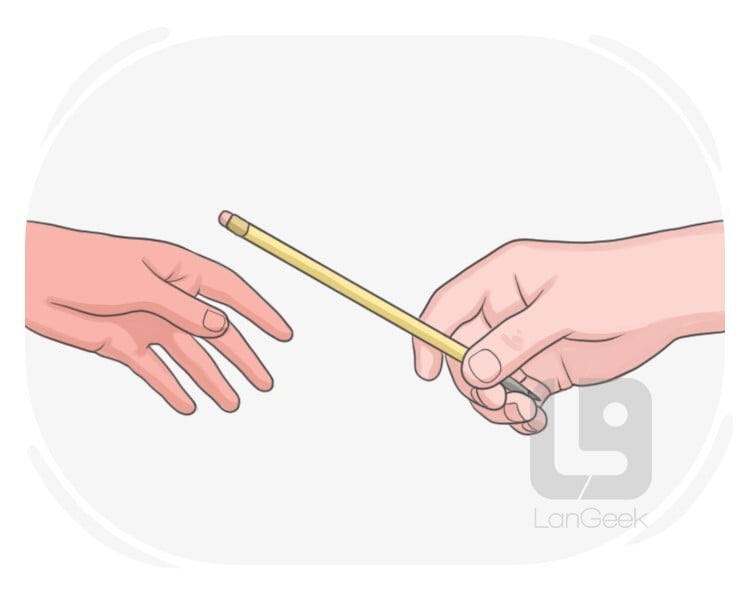
to use or take something belonging to someone else, with the idea of returning it
Transitive: to borrow sth | to borrow sth from sb
ব্যাকরণগত তথ্য
রূপগত গঠন
সরল
কর্মসূচক ক্রিয়া
নিয়মিত
বর্তমান কাল
borrow
৩য় পুরুষ একবচন
borrows
বর্তমান কৃদন্ত
borrowing
সরল অতীত
borrowed
অতীত কৃদন্ত
borrowed
উদাহরণ
Can I borrow your umbrella? It's raining outside, and I left mine at home.
আমি কি তোমার ছাতা ধার নিতে পারি? বাইরে বৃষ্টি হচ্ছে এবং আমি আমার ছাতা বাড়িতে রেখে এসেছি।
02
ধার করা, থেকে অনুপ্রাণিত হওয়া
to take or adopt external elements into one's own expression or creation
Transitive: to borrow external elements from sth
উদাহরণ
Shakespeare borrowed many plot elements from existing stories for his plays.
শেক্সপিয়ার তার নাটকের জন্য বিদ্যমান গল্প থেকে অনেক প্লট উপাদান ধার করেছিলেন।
03
to receive money from a person or institution with the obligation to repay it later
উদাহরণ
She borrowed $10,000 from the bank to start her business.
LanGeek
আমাদের মোবাইল অ্যাপ ডাউনলোড করুন

শব্দতাত্ত্বিক গাছ
borrower
borrowing
borrow

