






























to privilege
01
给予特权, 优待
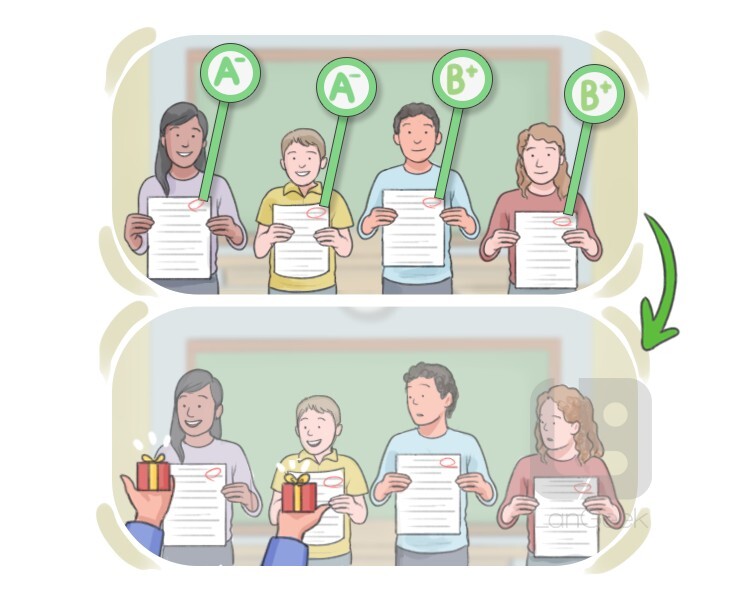
to give special advantages or rights to someone or something
Transitive: to privilege sb
语法信息
形态构成
派生
动作动词
规则
现在时
privilege
第三人称单数
privileges
现在分词
privileging
一般过去时
privileged
过去分词
privileged
例子
The manager privileged certain employees with additional responsibilities.
经理赋予某些员工额外的责任。
Privilege
01
特权, 优势
a special right, immunity or advantage that only a particular person or group has
语法信息
有生性状态
抽象
形态构成
复合词
可数
singular
not gender specific
复数形式
privileges
例子
Access to education is a privilege that not everyone has.
接受教育是一种特权,并非人人都有。
02
特权, 专有权
a right reserved exclusively by a particular person or group (especially a hereditary or official right)
03
特权, 拒绝披露在保密关系中获取的信息的权利
(law) the right to refuse to divulge information obtained in a confidential relationship
LanGeek
下载我们的移动应用

词汇树
privileged
privilege

