

Szukaj





























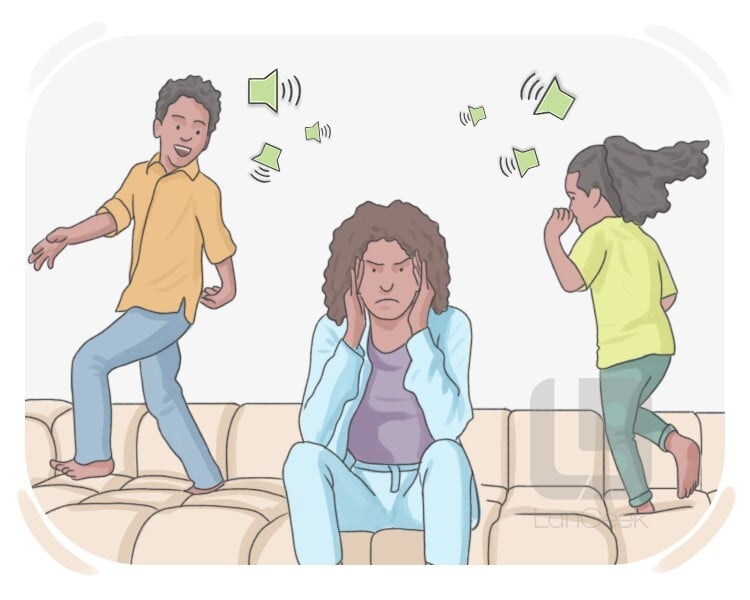
to disturb
01
niepokoić, zakłócać
to trouble someone and make them uneasy
Transitive: to disturb sb
informacje gramatyczne
budowa morfologiczna
prosty
czasownik czynnościowy
regularny
czas teraźniejszy
disturb
3. osoba liczby pojedynczej
disturbs
imiesłów czynny
disturbing
czas przeszły prosty
disturbed
imiesłów bierny
disturbed
Przykłady
The unsettling images in the movie disturbed him for days afterward.
Niepokojące obrazy w filmie niepokoiły go przez wiele dni później.
02
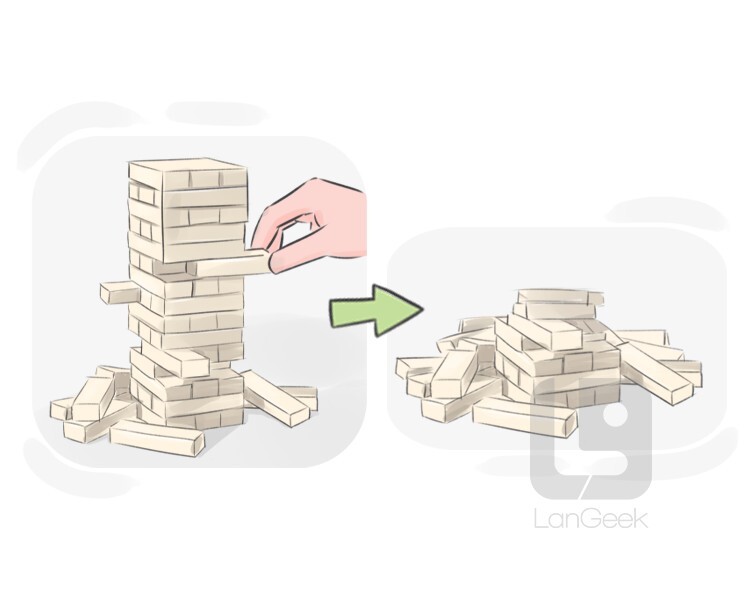
zakłócać, niepokoić
to alter the position or shape of something
Transitive: to disturb sth
Przykłady
The wind disturbed the neatly stacked pile of papers, scattering them across the room.
Wiatr zakłócił starannie ułożony stos papierów, rozrzucając je po całym pokoju.
03
zakłócać, przeszkadzać
to disrupt or alter the usual order or operation of something
Transitive: to disturb a process or activity
Przykłady
The power outage disturbed the normal functioning of the office computers.
Awaria prądu zakłóciła normalne funkcjonowanie komputerów biurowych.
04
przeszkadzać, zakłócać
to cause inconvenience or disrupt someone’s comfort or routine
Transitive: to disturb sb/sth
Przykłady
I hope my early call didn’t disturb your morning routine.
Mam nadzieję, że mój wczesny telefon nie zakłócił twojej porannej rutyny.
LanGeek
Pobierz naszą aplikację mobilną

Drzewo Leksykalne
disturbance
disturbed
disturber
disturb

