

Szukaj





























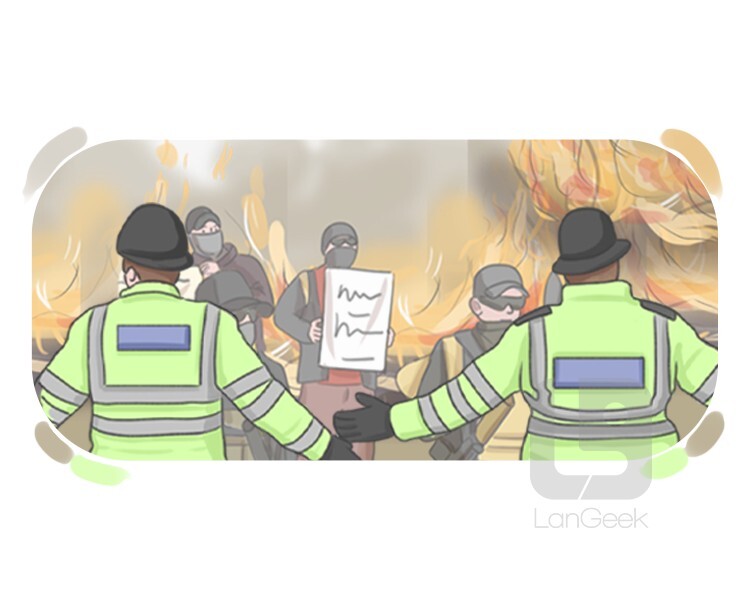
to rebel
01
buntować się, zbuntować się
to oppose a ruler or government
Intransitive: to rebel | to rebel against a ruler or government
informacje gramatyczne
budowa morfologiczna
pochodny
czasownik czynnościowy
regularny
czas teraźniejszy
rebel
3. osoba liczby pojedynczej
rebels
imiesłów czynny
rebelling
czas przeszły prosty
rebelled
imiesłów bierny
rebelled
Przykłady
The citizens decided to rebel against the oppressive regime, demanding freedom and equality.
Obywatele postanowili zbuntować się przeciwko oppressive reżimowi, domagając się wolności i równości.
02
buntować się, zbuntować się
to resist or refuse to follow rules, authority, or social norms
Transitive: to rebel against a rule or norm
Przykłady
The teenager decided to rebel against the curfew set by her parents.
Nastolatka postanowiła zbuntować się przeciwko godzinie policyjnej wyznaczonej przez rodziców.
Rebel
01
buntownik, żołnierz Konfederacji
a member of the Confederate forces in the American Civil War
informacje gramatyczne
status żywotności
człowiek
budowa morfologiczna
prosty
policzalny
singular
not gender specific
forma liczby mnogiej
rebels
Przykłady
The historian studied the life of a rebel soldier during the Civil War.
Historyk badał życie żołnierza-buntownika podczas wojny secesyjnej.
02
buntownik, powstaniec
a person who rises or fights against established authority, often to bring about change or reform
Przykłady
Rebels stormed the city to challenge the government.
Rebelianci zaatakowali miasto, aby rzucić wyzwanie rządowi.
03
buntownik, powstaniec
someone who resists or opposes authority, rules, or control
Przykłady
She acted like a rebel, always questioning authority and tradition.
Zachowywała się jak buntowniczka, zawsze kwestionując autorytet i tradycję.
LanGeek
Pobierz naszą aplikację mobilną

Drzewo Leksykalne
rebellion
rebel

