

Szukaj




























to quit
01
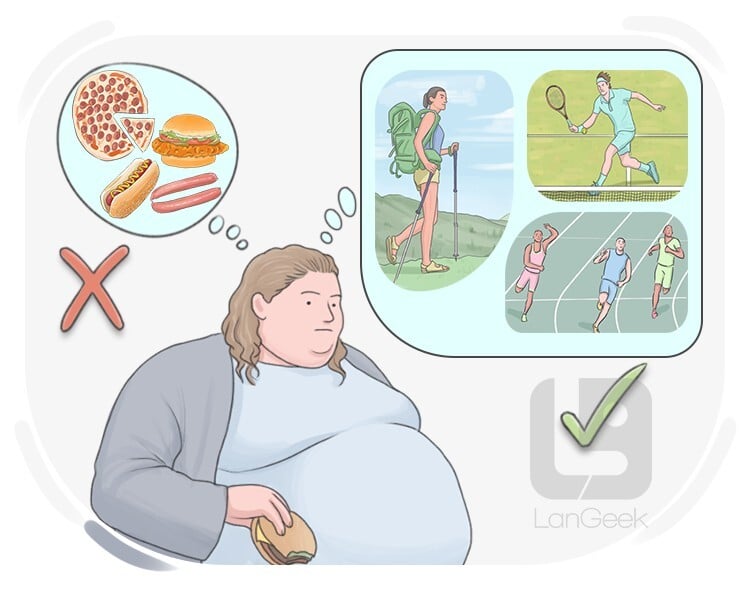
zaprzestać, porzucić
to stop engaging in an activity permanently
Transitive: to quit doing sth
informacje gramatyczne
budowa morfologiczna
prosty
czasownik czynnościowy
nieregularny
czas teraźniejszy
quit
3. osoba liczby pojedynczej
quits
imiesłów czynny
quitting
czas przeszły prosty
quit
imiesłów bierny
quit
Przykłady
The company plans to quit using single-use plastics to reduce environmental impact.
Firma planuje zaprzestać używania plastiku jednorazowego użytku, aby zmniejszyć wpływ na środowisko.
02
zrezygnować, porzucić
to give up your job, school, etc.
Intransitive
Transitive: to quit a job or pursuit

Przykłady
After the disagreement, three employees quit.
Po nieporozumieniu trzech pracowników zrezygnowało.
03
wyjść, zamknąć
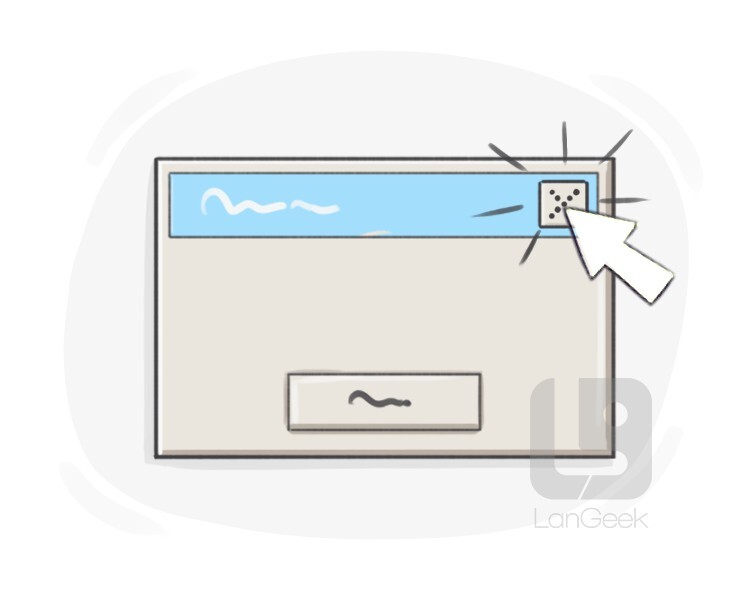
to close a computer program
Transitive: to quit a computer program
Przykłady
Don’t forget to quit the app before turning off your computer.
Nie zapomnij zamknąć aplikacji przed wyłączeniem komputera.
04
opuszczać, odejść
to depart from a place, typically with no intention of returning
Transitive: to quit a place
Przykłady
She quit the party early because she wasn’t feeling well.
Wcześnie opuściła imprezę, ponieważ źle się czuła.
05
poddawać się, rezygnować
to acknowledge failure or stop trying due to difficulty or discouragement
Intransitive
Przykłady
He didn’t want to quit, but the task was proving to be impossible.
Nie chciał poddawać się, ale zadanie okazało się niemożliwe.
06
rzucać, zaprzestawać
to stop participating in or doing an activity
Transitive: to quit doing sth
Przykłady
She quit smoking after a year of trying to quit.
Rzuciła palenie po roku prób.
LanGeek
Pobierz naszą aplikację mobilną
Drzewo Leksykalne
quittance
quitter
quit

