






























gothic
01
고딕, 신비롭고 어두운
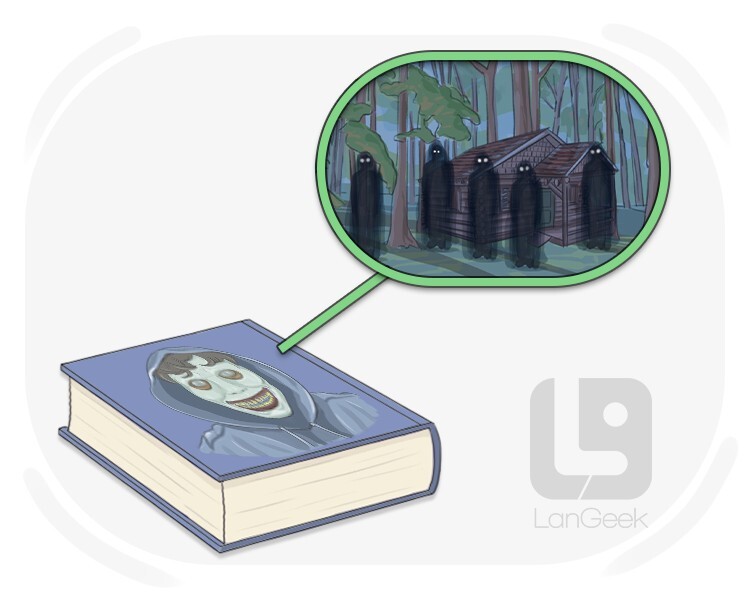
(of a novel, etc.) written or made in a spooky and mysterious way and often focus on creepy places like old castles or haunted houses, with themes of darkness and the supernatural
예시들
Gothic stories transport readers to ancient castles and haunted mansions, where eerie atmospheres and mysterious events unfold.
고딕 이야기는 독자들을 고대 성과 유령이 나오는 저택으로 데려가며, 으스스한 분위기와 신비로운 사건들이 펼쳐지는 곳입니다.
02
고딕, 고딕 양식의
(architecture) used to describe the building style prevalent in Western Europe in the 12th-16th centuries, whose characteristics are high ceilings, tall pillars, pointed windows and arches that are mostly made of stone
문법 정보
형태적 구성
합성어
고유
관계형
등급화 불가
분야
architecture, history, style
03
고딕, 고대 고트족의 언어와 관련된
relating to the language spoken by the ancient Goths
예시들
The Gothic script used in medieval manuscripts was known for its intricate and decorative appearance.
중세 필사본에 사용된 고딕 스크립트는 복잡하고 장식적인 모습으로 유명했습니다.
04
고딕, 독일어 인쇄에 일반적으로 사용되는 활자 스타일의 특징
characteristic of the style of type commonly used for printing German
05
고딕, 중세의
associated with the Middle Ages, including its architecture, art, literature, and cultural styles
예시들
She specializes in Gothic literature, studying works like Mary Shelley’s Frankenstein and Bram Stoker’s Dracula.
그녀는 메리 셸리의 프랑켄슈타인과 브램 스토커의 드라큘라 같은 작품을 연구하며 고딕 문학을 전문으로 합니다.
06
고딕, 고딕 양식의
built in a style that was prevalent in Western Europe in the 12th-16th centuries, marked by having high ceilings, tall columns, pointed windows, and stone arches
Gothic
01
고딕, 고딕 양식
a style of architecture present in Western Europe in the 12th-16th centuries characterized by buildings made mostly from stone with high ceilings, tall pillars, pointed windows and arches
문법 정보
유생성 상태
추상
형태적 구성
합성어
불가산
singular
not gender specific
02
고트어, 고트 언어
extinct East Germanic language of the ancient Goths; the only surviving record being fragments of a 4th-century translation of the Bible by Bishop Ulfilas
03
고딕, 고딕체
a heavy typeface in use from 15th to 18th centuries


