






























empty
01
空の, 無人
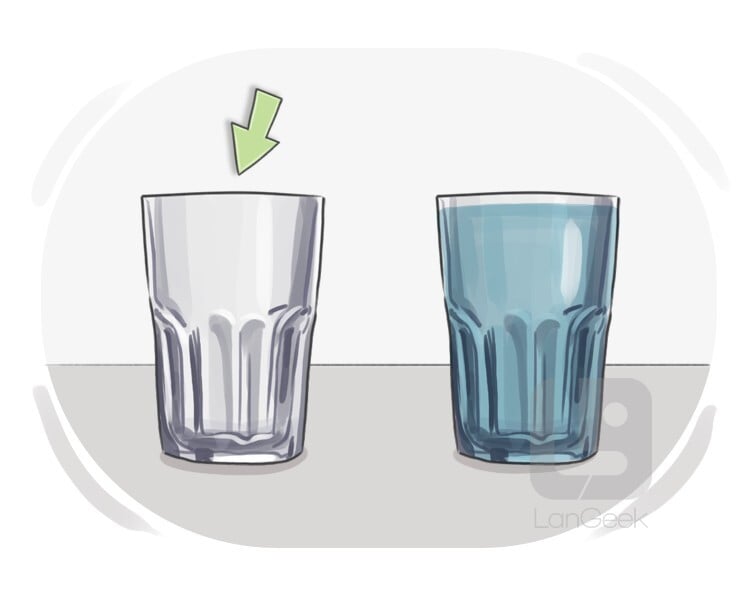
with no one or nothing inside
文法情報
形態的構成
単純語
性質形容詞
最上級
emptiest
比較級
emptier
程度表現可
分野
space, state, objects
例
The empty room echoed with every step, its walls bare and devoid of furniture.
空っぽの部屋は、一歩ごとに反響し、壁はむき出しで家具もなかった。
02
空虚な, 無感情な
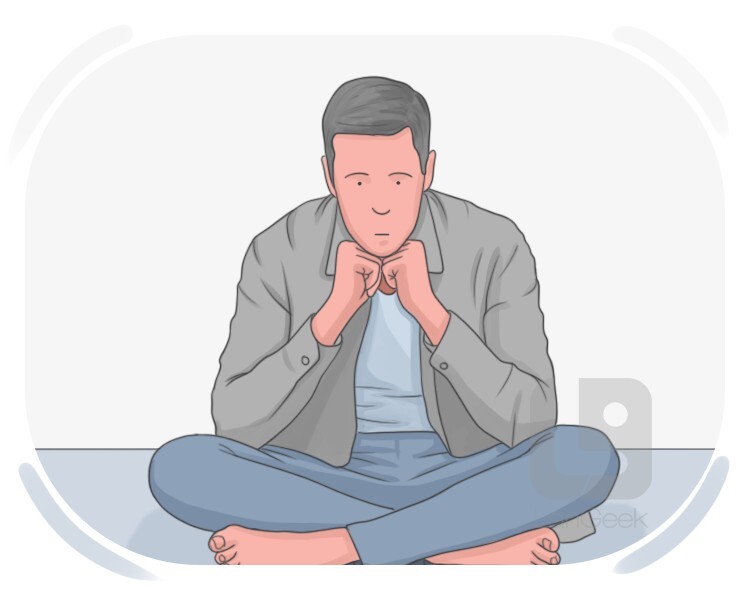
lacking emotion or feeling
例
After the breakup, she felt empty and lost without her partner.
別れた後、彼女はパートナーなしでは空虚で迷子のように感じた。
例
His words were empty promises.
彼の言葉は 空っぽ な約束だった。
04
空腹の, 空っぽの
needing food or drink
例
I'm empty after skipping breakfast.
朝食を抜いた後、私は空っぽだと感じます。
to empty
01
空にする, 取り除く
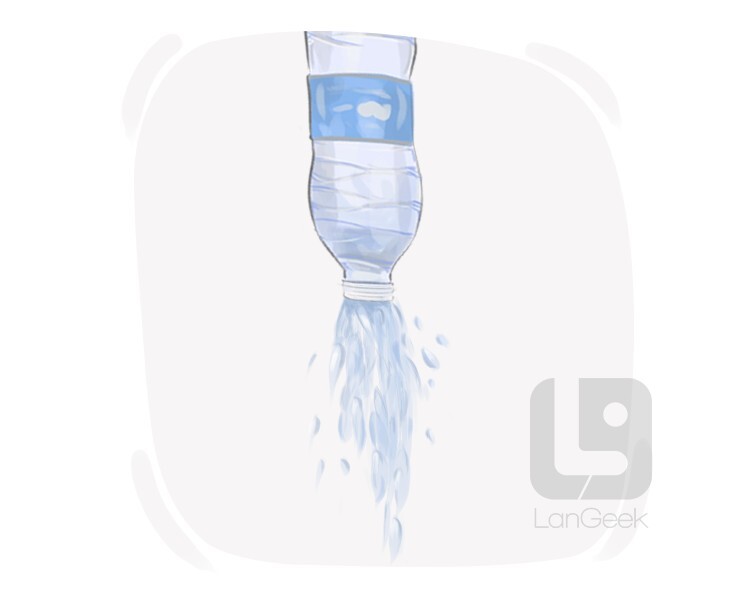
to remove the contents of a container or space
Transitive: to empty a container
文法情報
形態的構成
派生語
動作動詞
規則的
現在時制
empty
三人称単数
empties
現在分詞
emptying
単純過去
emptied
過去分詞
emptied
例
She had to empty the trash bin before it overflowed.
彼女はゴミ箱が溢れる前にそれを空にしなければならなかった。
02
空にする, 空になる
to lose all contents
Transitive: to empty sth [adj]
例
The bottle emptied quickly.
ボトルはすぐに空になりました。
03
空にする, 立ち退かせる
to cause a place to be vacated of people
例
The audience emptied the theater quietly.
観客は静かに劇場を空にした。
04
注ぐ, 空にする
(of a river) to flow and discharge its water into the sea or a lake
Intransitive: to empty into a sea or lake
例
The mighty Amazon River empties into the Atlantic Ocean, forming a vast estuary.
強大なアマゾン川は大西洋に流れ込み、広大な河口を形成しています。
Empty
01
空, 空の容器
a container that no longer holds any substance or contents
文法情報
有生性の状態
無生物
形態的構成
複合語
可算
singular
not gender specific
複数形
empties
例
He set the empty on the counter after drinking the juice.
彼はジュースを飲んだ後、空の容器をカウンターに置いた。
LanGeek
モバイルアプリをダウンロード

語彙ツリー
emptiness
empty

