






























to default
01
債務不履行に陥る, デフォルトする
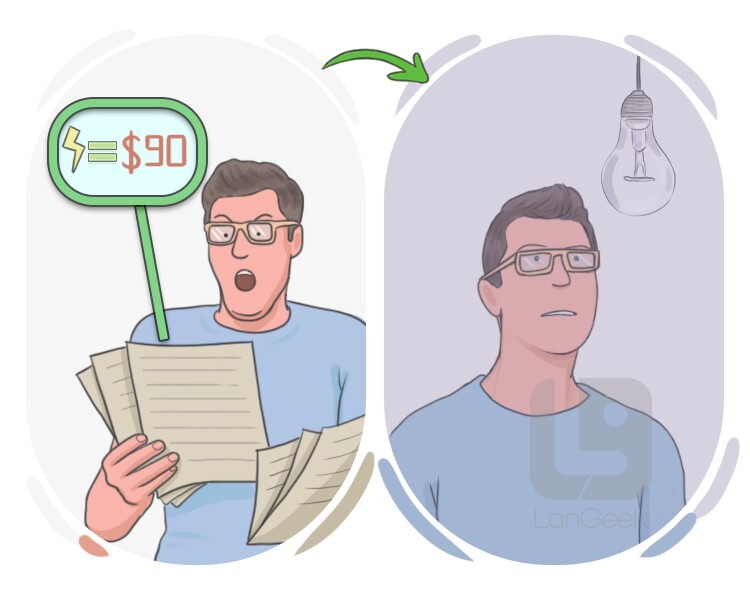
to fail at accomplishing an obligation, particularly a financial one
Intransitive: to default | to default on an obligation
文法情報
形態的構成
単純語
動作動詞
規則的
現在時制
default
三人称単数
defaults
現在分詞
defaulting
単純過去
defaulted
過去分詞
defaulted
例
If you miss your mortgage payments, you may default on your home loan.
住宅ローンの支払いを怠ると、ローンの債務不履行になる可能性があります。
02
デフォルト, デフォルトとして設定する
(of a computer program) to always do the same thing unless instructed differently
Intransitive: to default to a specified action
例
If you don’t choose a printer, the system will default to the one nearest to your location.
プリンターを選択しない場合、システムはあなたの場所に最も近いプリンターにデフォルトで設定されます。
Default
01
不戦敗, 欠場
a failure to appear or respond in a required setting, especially in legal or competitive contexts, resulting in automatic loss
文法情報
有生性の状態
抽象的
形態的構成
単純語
可算
singular
not gender specific
複数形
defaults
例
The team lost by default when they failed to arrive on time.
チームは時間通りに到着できなかったため、不出場で負けた。
02
デフォルト, 初期設定
a predefined option based on which a computer or other device performs a particular task unless it is changed
例
The email client automatically sends messages to the "Spam" folder by default unless the user specifies otherwise.
メールクライアントは、ユーザーが指定しない限り、デフォルトでメッセージを「スパム」フォルダに自動的に送信します。
03
債務不履行, 支払い不能
a failure to fulfill a financial obligation, especially the repayment of a loan or debt, often resulting in legal consequences or damage to credit
例
The bank reported a default on the mortgage after three missed payments.
銀行は、3回の支払い漏れの後、住宅ローンで債務不履行が発生したと報告しました。
LanGeek
モバイルアプリをダウンロード

語彙ツリー
defaulter
default

