






























Patent
01
特許, 特許権
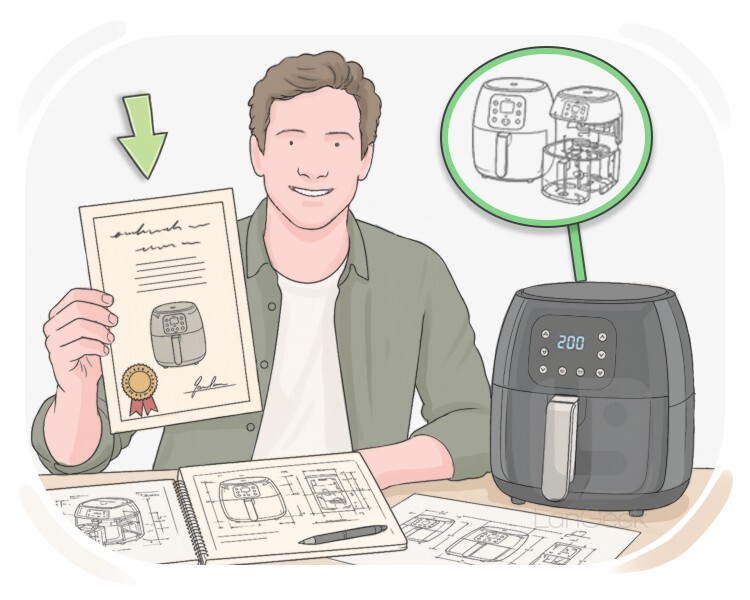
a formal document that gives someone the right to be the only one who makes, uses, or sells an invention or product for a limited amount of time
文法情報
有生性の状態
無生物
形態的構成
単純語
可算
singular
not gender specific
複数形
patents
例
The inventor received a patent for his innovative solar-powered car, protecting his design from being copied.
to patent
01
特許を取得する, 特許を取る
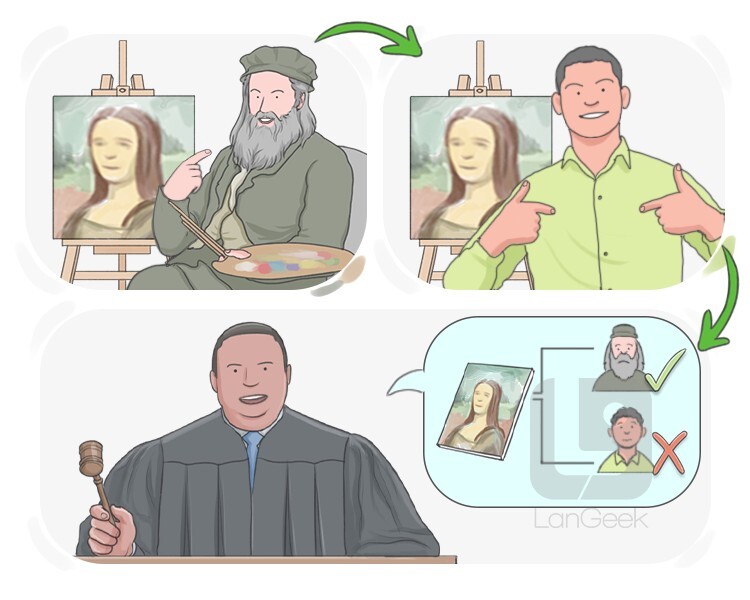
to obtain legal ownership and protection for an invention or innovation
Transitive: to patent an invention
文法情報
形態的構成
単純語
動作動詞
規則的
現在時制
patent
三人称単数
patents
現在分詞
patenting
単純過去
patented
過去分詞
patented
例
After years of hard work, the scientist was finally able to patent her novel medical discovery.
何年もの努力の末、その科学者はついに彼女の新しい医療発見を特許取得することができました。
02
特許を取得する, 特許を付与する
to officially grant legal rights for an invention, innovation, or process
Transitive: to patent a product
例
The patent office patented the new solar panel design after reviewing the application.
特許庁は申請を審査した後、新しい太陽電池パネルのデザインを特許登録しました。
patent

文法情報
形態的構成
単純語
性質形容詞
最上級
most patent
比較級
more patent
程度表現可
分野
clarity, perception, evaluation
例
The patent errors in the report led to immediate corrections.
報告書の明白な誤りにより、即座に修正が行われた。
02
開通した, 開放された
(of a tube or passage in the body) open and allowing free passage
例
A patent blood vessel ensures proper circulation.
開通した血管は適切な循環を保証します。


