






























passive
01
受動態の
(grammar) describing a verb whose subject is affected by the action of the verb
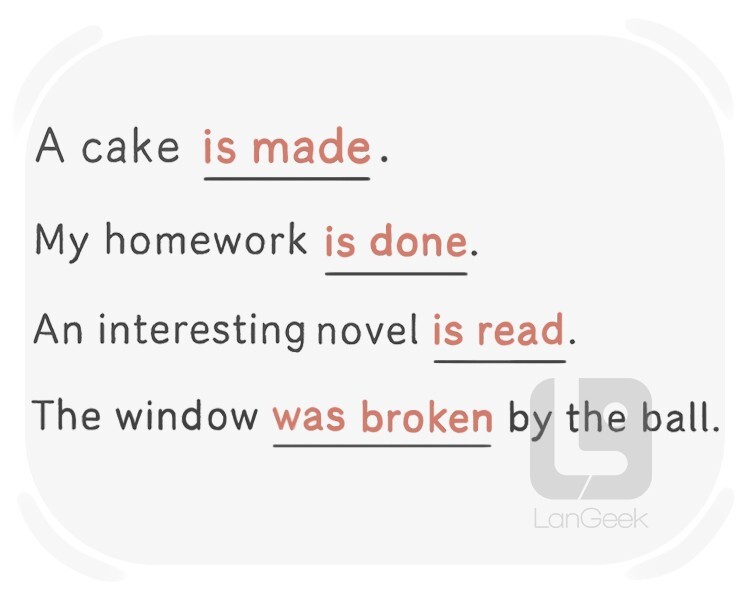
例
In the passive voice, the object of an action becomes the subject of the sentence.
受動態では、動作の目的語が文の主語になります。
02
受動的, 従順な
accepting what happens or not opposing what other people do or say
文法情報
形態的構成
単純語
性質形容詞
最上級
most passive
比較級
more passive
程度表現可
分野
behavior, personality, interaction
例
She was being passive during the meeting, allowing others to make all the important decisions.
彼女は会議中受動的で、他の人がすべての重要な決定を下すことを許していた。
03
受動的, 非能動的
(of a circuit or device) not generating energy and lacking an internal source of electromotive force
例
A resistor is a passive component.
抵抗器は受動部品です。
Passive
LanGeek
モバイルアプリをダウンロード

語彙ツリー
impassive
passively
passiveness
passive

