






























to move in
01
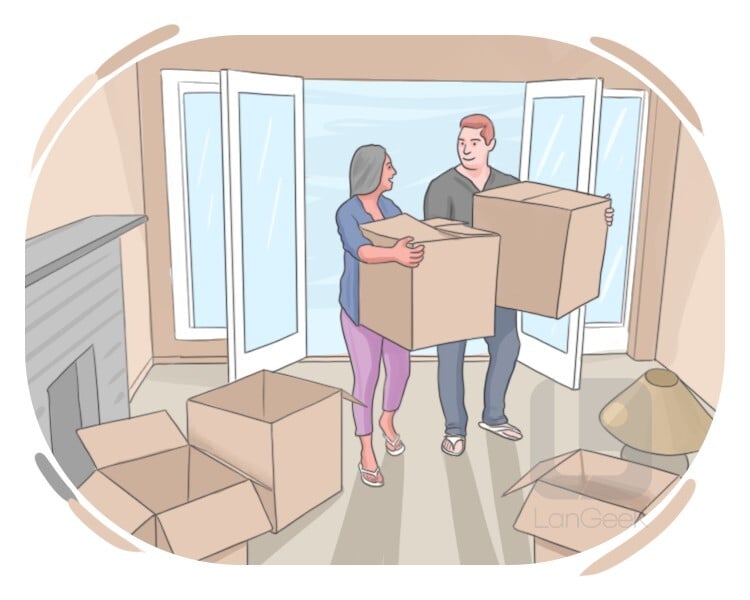
引っ越す, 入居する
to begin to live in a new house or work in a new office
Intransitive: to move in | to move in to a place
文法情報
形態的構成
句動詞
移動動詞
規則的
分離不可
不変化詞
in
基本動詞
move
現在時制
move in
三人称単数
moves in
現在分詞
moving in
単純過去
moved in
過去分詞
moved in
例
My roommate will move in next week when her lease is up.
私のルームメイトは、彼女の賃貸契約が終了する来週、引っ越してくる予定です。
02
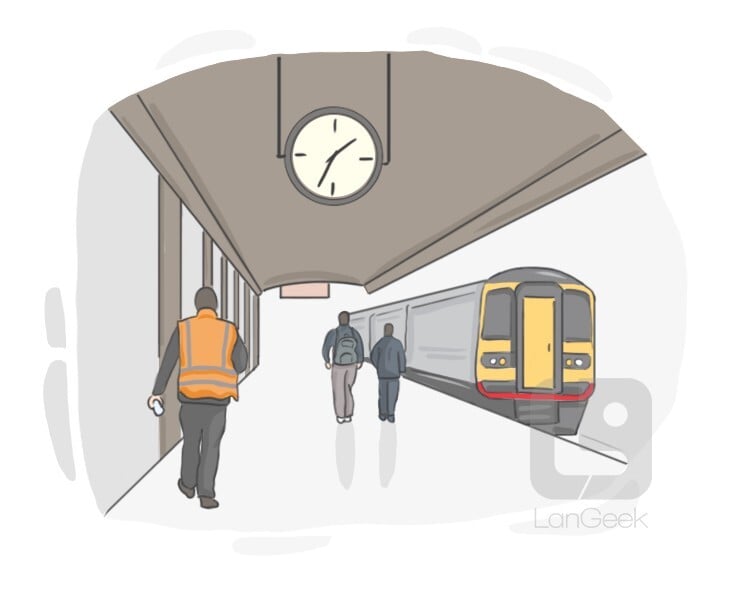
入る, 到着する
(of trains) to enter or arrive at a station
Intransitive
例
As the commuter train moved in, passengers eagerly awaited their arrival at the station.
通勤電車が駅に入ると、乗客は到着を心待ちにしていた。
03
介入する, 行動を取る
to intervene or take action in response to a situation, often to bring about a resolution or change
Intransitive
例
As the situation was escalating, she was busy moving in to manage the unfolding crisis.
状況がエスカレートする中、彼女は展開中の危機を管理するために介入することで忙しかった。
04
交際する, 時間を過ごす
to associate and spend time within a specific social set or community
Transitive: to move in a group or community
例
Having achieved success, he now moves in elite business circles.
成功を収めた彼は今、エリートビジネス界で動き回っています。
05
近づく, 進む
to approach or advance someone or something from different directions, often with a threat or intention to take action
Intransitive
例
Tomorrow, the special forces will move in on the extremist group to neutralize the threat.
明日、特殊部隊が過激派グループに接近し、脅威を無力化します。


