

Buscar
Selecciona el idioma del diccionario





























to cant
01
inclinarse
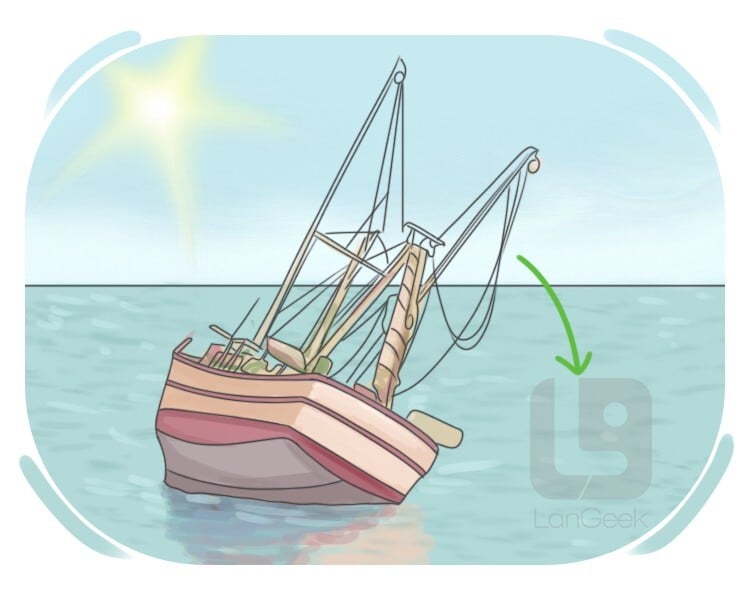
(of a boat or ship) to tilt to one side
Intransitive
información gramatical
composición morfológica
simple
verbo de movimiento
regular
presente
cant
3.ª persona singular
cants
participio presente
canting
pretérito simple
canted
participio pasado
canted
Ejemplos
As the strong gusts of wind hit, the sailboat canted.
Mientras las fuertes ráfagas de viento golpeaban, el velero se escoraba.
Cant
01
lenguaje estereotipado, jerga vacía
a set of stock or overused phrases that have lost meaning or impact due to constant repetition
información gramatical
estado de animacidad
abstracto
composición morfológica
simple
incontable
singular
not gender specific
forma plural
cants
Ejemplos
The speech was filled with political cant and empty promises.
El discurso estaba lleno de jerga política y promesas vacías.
02
chaflán, bisel
an angled surface formed when two planes meet at an angle other than 90 degrees
Ejemplos
The craftsman smoothed the cant on the edge of the wooden beam.
El artesano alisó el bisel en el borde de la viga de madera.
03
jerga, argot
a specialized language, jargon, or secret code used by a particular group, especially to exclude outsiders
Ejemplos
The thieves spoke in a cant to hide their intentions.
Los ladrones hablaban en jerga para ocultar sus intenciones.
04
lenguaje hipócrita, palabrería afectada
insincere or hypocritical talk, especially about religion, virtue, or morality
Ejemplos
His sermon was full of cant, not genuine belief.
Su sermón estaba lleno de cant, no de creencia genuina.
05
peralte, inclinación lateral
raised outer edge of a curved road or track above the inner edge to counteract centrifugal force
Ejemplos
Engineers calculated the highway's cant so vehicles could take the bend at 80 km/h without skidding.
Los ingenieros calcularon el peralte de la carretera para que los vehículos pudieran tomar la curva a 80 km/h sin patinar.
LanGeek
Descarga nuestra aplicación móvil

Árbol Léxico
canted
decant
cant

