

অনুসন্ধান করুন
অভিধানের ভাষা নির্বাচন করুন





























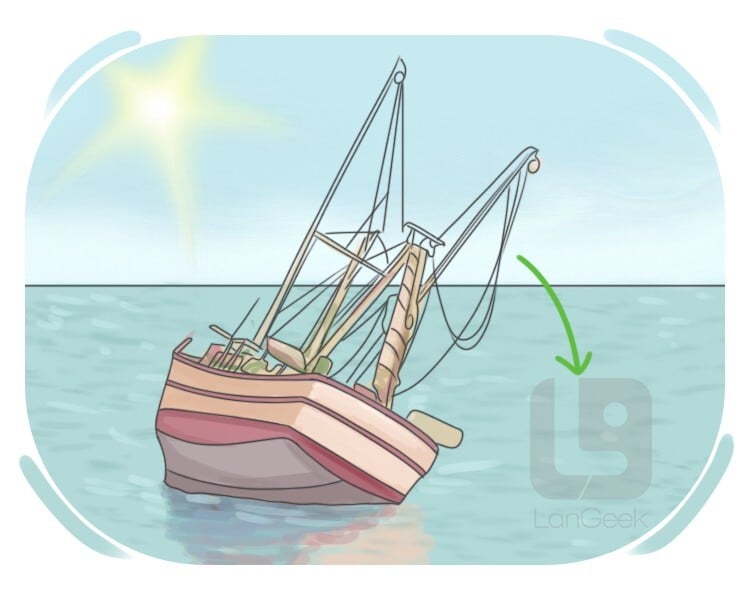
to cant
01
হেলে পড়া, ঝুঁকে পড়া
(of a boat or ship) to tilt to one side
Intransitive
ব্যাকরণগত তথ্য
রূপগত গঠন
সরল
গতিবাচক ক্রিয়া
নিয়মিত
বর্তমান কাল
cant
৩য় পুরুষ একবচন
cants
বর্তমান কৃদন্ত
canting
সরল অতীত
canted
অতীত কৃদন্ত
canted
উদাহরণ
As the strong gusts of wind hit, the sailboat canted.
যখন প্রবল বাতাসের ঝাপটা লাগল, পালতোলা নৌকা একদিকে হেলে পড়ল।
Cant
01
বাঁধা ভাষা, অর্থহীন পরিভাষা
a set of stock or overused phrases that have lost meaning or impact due to constant repetition
ব্যাকরণগত তথ্য
প্রাণবাচকতার অবস্থা
বিমূর্ত
রূপগত গঠন
সরল
অগণনীয়
singular
not gender specific
বহুবচন রূপ
cants
উদাহরণ
The speech was filled with political cant and empty promises.
বক্তৃতাটি রাজনৈতিক জার্গন এবং ফাঁকা প্রতিশ্রুতি দিয়ে ভরা ছিল।
02
চ্যামফার, বেভেল
an angled surface formed when two planes meet at an angle other than 90 degrees
উদাহরণ
The craftsman smoothed the cant on the edge of the wooden beam.
কারিগর কাঠের বিমের প্রান্তে ঢাল মসৃণ করলেন।
03
অপভাষা, পেশাদারী ভাষা
a specialized language, jargon, or secret code used by a particular group, especially to exclude outsiders
উদাহরণ
The thieves spoke in a cant to hide their intentions.
চোররা তাদের উদ্দেশ্য গোপন করার জন্য বিশেষ ভাষায় কথা বলেছিল।
04
ভণ্ডালির কথা, কৃত্রিম ভাষা
insincere or hypocritical talk, especially about religion, virtue, or morality
উদাহরণ
His sermon was full of cant, not genuine belief.
তার উপদেশ cant পূর্ণ ছিল, প্রকৃত বিশ্বাস নয়।
05
ব্যাংক, পার্শ্বীয় ঢাল
raised outer edge of a curved road or track above the inner edge to counteract centrifugal force
উদাহরণ
Engineers calculated the highway's cant so vehicles could take the bend at 80 km/h without skidding.
প্রকৌশলীরা হাইওয়ের ক্যান্ট গণনা করেছিলেন যাতে যানবাহনগুলি 80 কিমি/ঘন্টা গতিতে বাঁক নিতে পারে পিছলে না গিয়ে।
LanGeek
আমাদের মোবাইল অ্যাপ ডাউনলোড করুন

শব্দতাত্ত্বিক গাছ
canted
decant
cant

