

অনুসন্ধান করুন
অভিধানের ভাষা নির্বাচন করুন





























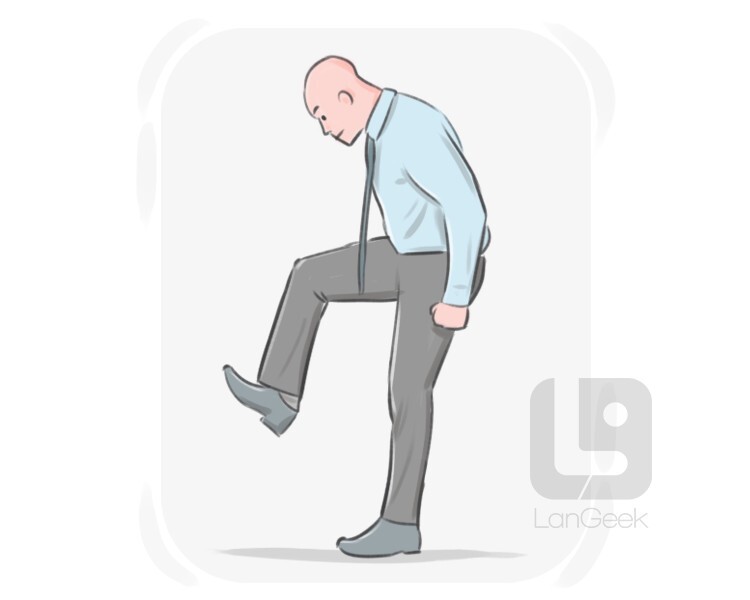
to stomp
01
জোরে পা ফেলা, পদদলিত করা
to tread heavily and forcefully, often with a rhythmic or deliberate motion
Intransitive: to stomp | to stomp somewhere
ব্যাকরণগত তথ্য
রূপগত গঠন
সরল
গতিবাচক ক্রিয়া
নিয়মিত
বর্তমান কাল
stomp
৩য় পুরুষ একবচন
stomps
বর্তমান কৃদন্ত
stomping
সরল অতীত
stomped
অতীত কৃদন্ত
stomped
উদাহরণ
The toddler gleefully stomped in the puddles after the rain, splashing water everywhere.
বৃষ্টির পরে শিশুটি আনন্দে পুকুরে পা ফেলেছে, জল ছিটকে সব জায়গায়।
Stomp
01
স্টম্প, পদাঘাত
a rhythmic dance characterized by heavy footfalls and percussive movements
ব্যাকরণগত তথ্য
প্রাণবাচকতার অবস্থা
বিমূর্ত
রূপগত গঠন
সরল
গণনীয়
singular
not gender specific
বহুবচন রূপ
stomps
উদাহরণ
The performers dazzled the audience with their energetic stomp routine, creating an electrifying atmosphere with their synchronized footwork.
শিল্পীরা তাদের শক্তিশালী স্টম্প রুটিন দর্শকদের মুগ্ধ করেছিল, তাদের সমন্বিত পদচালনা দিয়ে একটি উত্তেজনাপূর্ণ পরিবেশ তৈরি করেছিল।
LanGeek
আমাদের মোবাইল অ্যাপ ডাউনলোড করুন

শব্দতাত্ত্বিক গাছ
stomper
stomp

