

অনুসন্ধান করুন
অভিধানের ভাষা নির্বাচন করুন





























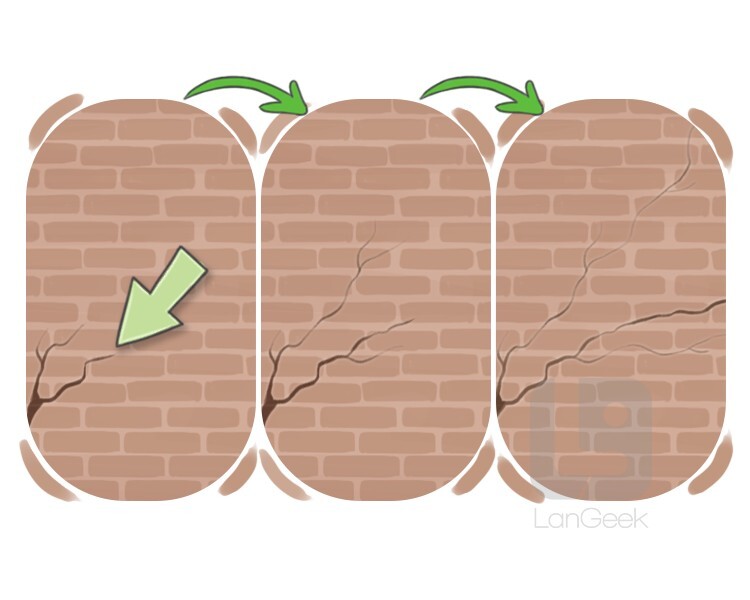
to set in
01
ঘটতে, স্থাপন করা
to occur, often referring to something unwelcome
Intransitive
ব্যাকরণগত তথ্য
রূপগত গঠন
বাগধারামূলক
অবস্থাবাচক ক্রিয়া
নিয়মিত
অবিচ্ছেদ্য
কণা
in
মূল ক্রিয়া
set
বর্তমান কাল
set in
৩য় পুরুষ একবচন
sets in
বর্তমান কৃদন্ত
setting in
সরল অতীত
set in
অতীত কৃদন্ত
set in
উদাহরণ
Despair seems to have set in among the team.
হতাশা দলের মধ্যে ছড়িয়ে পড়েছে বলে মনে হচ্ছে।
02
স্থাপন করা, নিয়োগ করা
to organize the responsibilities and functions associated with a religious minister or their office
Transitive: to set in a religious minister
উদাহরণ
They set the new priest in to oversee the parish's affairs.
তারা নতুন পুরোহিতকে প্যারিশের কাজকর্ম তদারকি করার জন্য নিয়োগ দিয়েছে।
03
স্থাপন করা, শুরু করা
(of wind or water) to change the direction or flow, typically moving closer to the shore
Intransitive
উদাহরণ
As the tide rose, it set in with a gentle current that carried us back to the beach.
জোয়ার উঠলে, এটি একটি মৃদু স্রোতের সাথে স্থাপন করা হয়েছিল যা আমাদের ফিরে সমুদ্র সৈকতে নিয়ে গিয়েছিল।
LanGeek


