

অনুসন্ধান করুন
অভিধানের ভাষা নির্বাচন করুন





























to limp
01
খোঁড়ানো, খোঁড়িয়ে হাঁটা
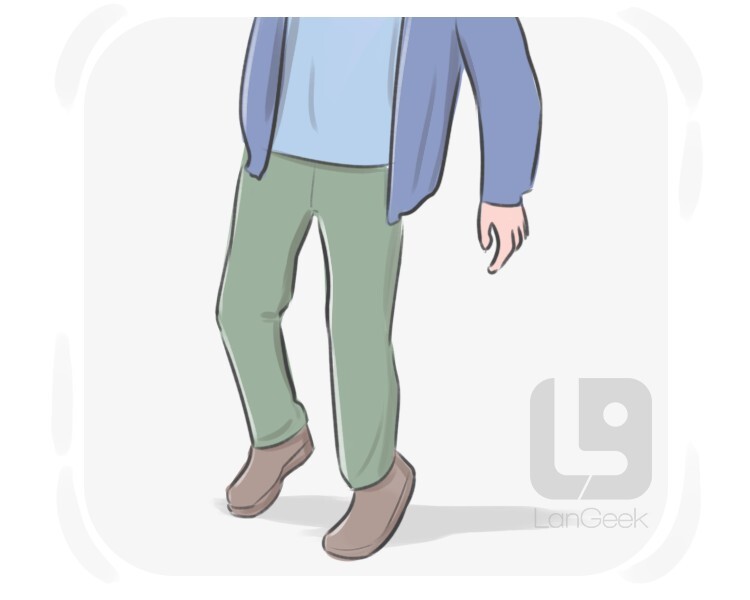
to walk with difficulty, particularly due to a damaged or stiff leg or foot
Intransitive: to limp | to limp somewhere
ব্যাকরণগত তথ্য
রূপগত গঠন
সরল
গতিবাচক ক্রিয়া
নিয়মিত
বর্তমান কাল
limp
৩য় পুরুষ একবচন
limps
বর্তমান কৃদন্ত
limping
সরল অতীত
limped
অতীত কৃদন্ত
limped
উদাহরণ
After twisting his ankle, he had to limp back to the car, wincing with each step.
পায়ের গোড়ালি মোচড়ানোর পর, তাকে প্রতিটি পদক্ষেপে কষ্ট করে গাড়িতে খোঁড়াতে ফিরে যেতে হয়েছিল।
02
খোঁড়ানো, কষ্টে চলা
to operate or move with difficulty, often due to mechanical issues or damage
Intransitive: to limp | to limp somewhere
উদাহরণ
The truck, with a flat tire, had to limp to the nearest service station for repairs.
ফ্ল্যাট টায়ার নিয়ে ট্রাকটিকে মেরামতের জন্য নিকটতম সার্ভিস স্টেশনে খোঁড়াতে হয়েছিল।
limp
01
শিথিল, নির্জীব
not having any energy or determination
ব্যাকরণগত তথ্য
রূপগত গঠন
সরল
গুণবাচক
অতিশয় রূপ
limpest
তুলনামূলক রূপ
limper
তুলনীয়
বিষয়ক্ষেত্র
state, appearance, energy
উদাহরণ
The plants looked limp and wilted from not being watered.
গাছগুলো নিস্তেজ এবং শুকিয়ে গিয়েছিল কারণ সেগুলোকে জল দেওয়া হয়নি।
02
নরম, দুর্বল
lacking firmness and strength
উদাহরণ
The limp lettuce leaves wilted in the heat.
নরম লেটুস পাতা গরমে নেতিয়ে পড়ল।
Limp
01
খোঁড়া, খোঁড়ানো
a slow or uneven manner of walking resulting from a damaged or stiff leg or foot
ব্যাকরণগত তথ্য
প্রাণবাচকতার অবস্থা
বিমূর্ত
রূপগত গঠন
সরল
গণনীয়
singular
not gender specific
বহুবচন রূপ
limps
LanGeek
আমাদের মোবাইল অ্যাপ ডাউনলোড করুন

শব্দতাত্ত্বিক গাছ
limper
limping
limp

