

Search
Select the dictionary language





























a creamy brown sweet made with milk, sugar, and butter
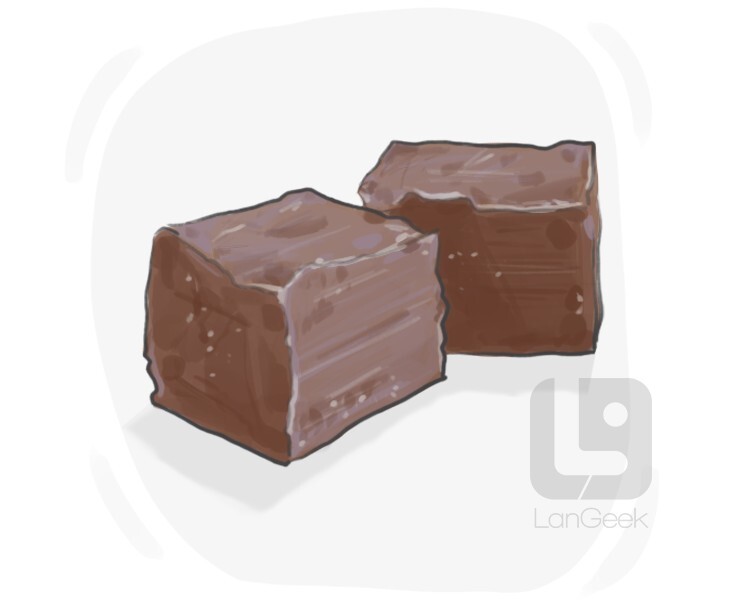
What is "fudge"?
Fudge is a type of candy that is made from a mixture of sugar, butter, and milk or cream. The candy is typically heated to a high temperature until it reaches a soft ball stage, and then cooled and beaten until it becomes thick and creamy. Fudge comes in a variety of flavors, such as chocolate, vanilla, and peanut butter, and may also be flavored with additional ingredients, such as nuts or fruits. It is often served as a dessert or given as a gift, and is a popular candy around the world. Fudge can be made at home or purchased from specialty candy shops, and is a delicious and indulgent treat that is perfect for any occasion.
a soft and sweet confectionery made from sugar, butter, milk, and flavorings, often flavored and mixed with additional ingredients like nuts or chocolate
 American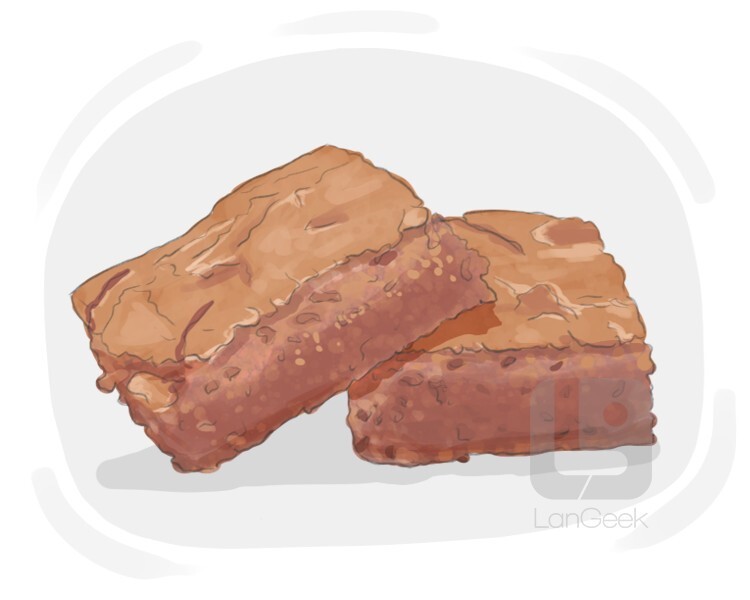
What is "fudge"?
Fudge is a rich and velvety sauce made from cocoa powder or chocolate, sugar, butter, and cream. It has a smooth and glossy texture with a deep, chocolatey flavor that is both sweet and decadent. Fudge sauce is commonly drizzled over ice cream, desserts, and pastries, adding a luxurious and indulgent touch to sweet treats. It can also be used as a dip for fruits or pretzels, or stirred into hot milk to make hot chocolate.
used to express surprise, frustration, or mild anger without swearing

What is the origin of the exclamation "fudge" and how is it used?
Fudge is an exclamation used to express surprise, frustration, or mild anger without swearing. It appeared in American and British English in the 20th century as a euphemistic substitute for "fuck," letting speakers react strongly without using vulgar language. People used it in everyday conversation, children's speech, and media aimed at general audiences. Today it is inoffensive, casual, and slightly playful, often signaling irritation, astonishment, or emphasis in a lighthearted or humorous way.
avoid or try to avoid fulfilling, answering, or performing (duties, questions, or issues)
to manipulate or alter something in a deceptive way
LanGeek


