

Search
Select the dictionary language





























an animal that is like a horse but has shorter legs and longer ears, and is used for carrying things and riding
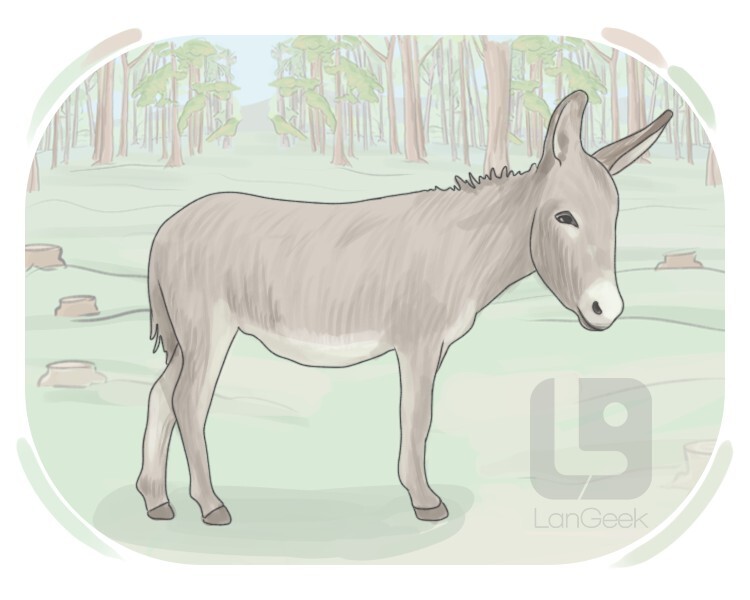
What is a "donkey"?
The donkey, also known as the ass, is a domesticated equine species known for its long ears, stocky build, and surefootedness. Donkeys have been used by humans for thousands of years as pack animals, working animals, and companions. They are known for their hardy nature and ability to adapt to harsh environments. Donkeys come in different sizes and colors, with the most common being the grey or brown coat color. They are known for their braying vocalizations, which are often used to communicate with other donkeys and humans. Donkeys are social animals and are known for their loyalty and gentle disposition. They continue to be used in many parts of the world for their practicality and companionship.
a foolish or stubborn person

What is the origin of the term "donkey" and how is it used?
"Donkey" has been used as an insult in English since at least the 18th century, based on stereotypes of the animal as stubborn, slow, or unintelligent. By metaphor, it came to describe a person who is foolish, obstinate, or lacking good judgment. The term appears in informal speech across English-speaking countries, often in teasing, frustration, or mild ridicule. It is mildly derogatory rather than strongly offensive, targeting perceived behavior or intelligence rather than being vulgar.
a girl regarded as exceptionally ugly
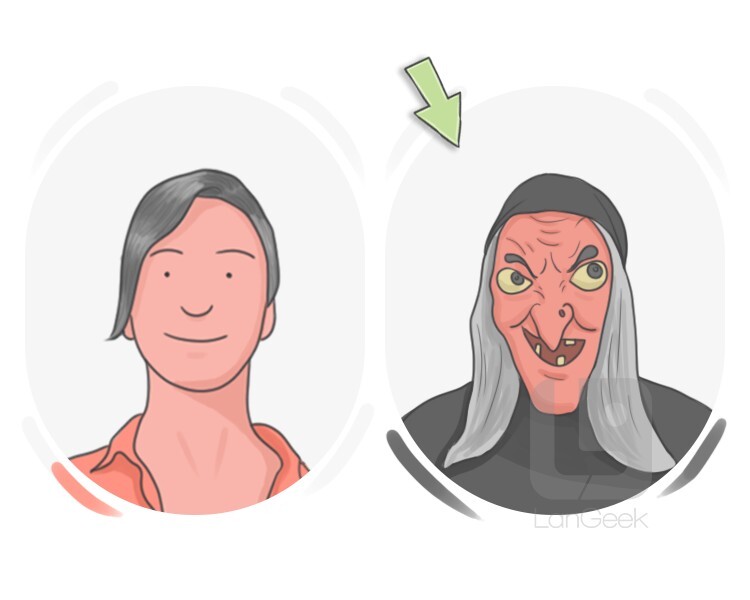
What is the origin of the term "donkey" and how is it used?
Donkey is a slang term that appeared in mid-20th-century English to describe a girl regarded as exceptionally ugly. The term draws on the animal's stereotypical features—long face, large ears, and generally unattractive appearance—as a metaphor for human ugliness. Literally, it compares a person's looks to a donkey's. Historically, it was derogatory and insulting, used to mock or belittle women for their appearance. Today it remains informal and offensive, generally limited to mocking, humorous, or aggressive contexts rather than polite conversation.
the symbol of the Democratic Party; introduced in cartoons by Thomas Nast in 1874
LanGeek


