

Search
Select the dictionary language





























to not like a person or thing
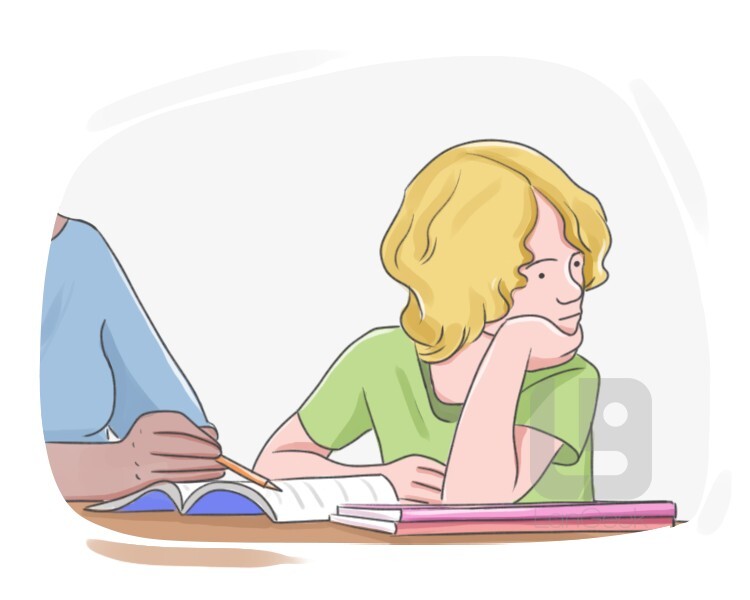
to express a negative sentiment or lack of approval towards a post, comment, or content by indicating one's dissatisfaction or disagreement with it, often through the use of a dislike button or similar feature provided by the platform
the feeling of not liking something or someone
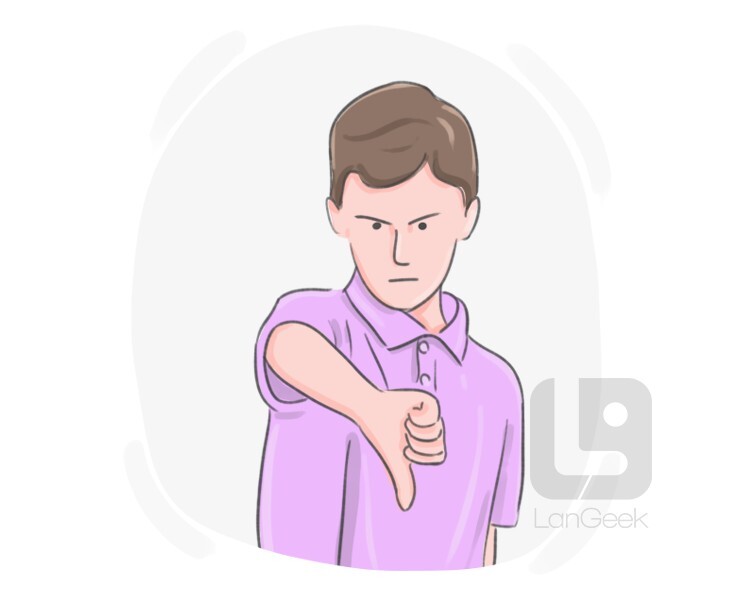
a negative reaction or expression of disapproval on social media
What is a "dislike"?
A dislike on social media refers to a negative reaction or response to a post, comment, or content. It is typically represented by a thumbs-down icon or another symbol that indicates the user does not approve or enjoy the content. Disliking something can express disagreement, disappointment, or disapproval. While some platforms have a dislike button, others may only have options to like or comment. The dislike feature allows users to show their opinion about content without engaging in a full discussion.
something that a person does not enjoy or feels strongly negative about
LanGeek
Download Our Mobile App

Lexical Tree

