






























to dislike
01
嫌う, 好きではない
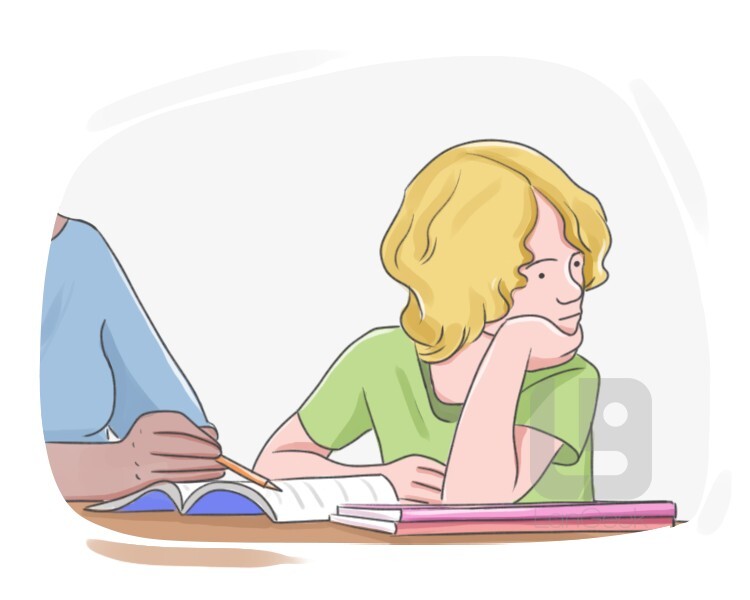
to not like a person or thing
Transitive: to dislike sb/sth
文法情報
形態的構成
派生語
状態動詞
規則的
現在時制
dislike
三人称単数
dislikes
現在分詞
disliking
単純過去
disliked
過去分詞
disliked
例
He dislikes cold weather; he prefers warmer climates.
彼は寒い天気が嫌いです;彼はより暖かい気候を好みます。
02
嫌い
to express a negative sentiment or lack of approval towards a post, comment, or content by indicating one's dissatisfaction or disagreement with it, often through the use of a dislike button or similar feature provided by the platform
Transitive: to dislike social media content
例
She disliked the comment by clicking the thumbs-down button.
彼女はコメントを嫌いと示すために、サムズダウンボタンをクリックしました。
Dislike
01
嫌悪, 不快感
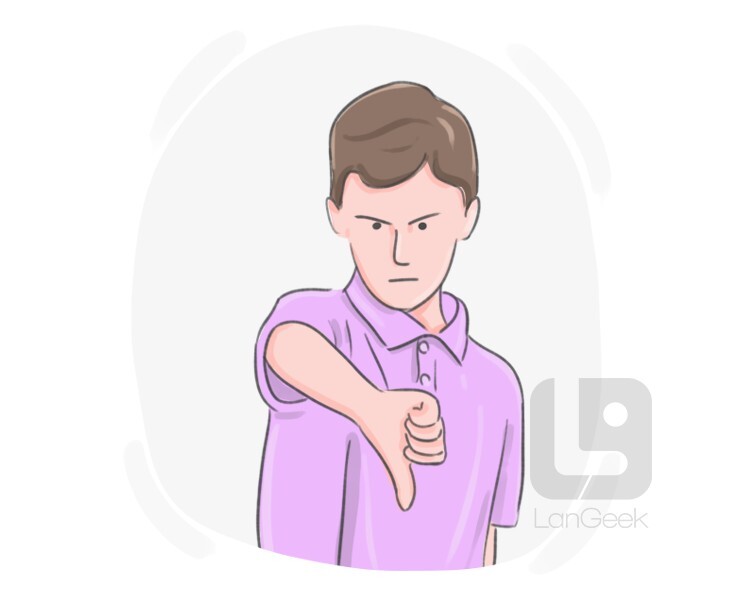
the feeling of not liking something or someone
文法情報
有生性の状態
抽象的
形態的構成
複合語
可算
singular
not gender specific
複数形
dislikes
例
She has a strong dislike for spicy foods.
彼女は辛い食べ物に対して強い嫌悪感を持っています。
02
低評価, 不賛成
a negative reaction or expression of disapproval on social media
例
The post received hundreds of dislikes on the platform.
その投稿はプラットフォームで何百もの低評価を受けました。
03
嫌い, 嫌悪
something that a person does not enjoy or feels strongly negative about
例
Broccoli was his biggest dislike.
ブロッコリーは彼の最大の嫌いだった。
LanGeek
モバイルアプリをダウンロード

語彙ツリー
dislike
like

