






























to dislike
01
싫어하다, 좋아하지 않다
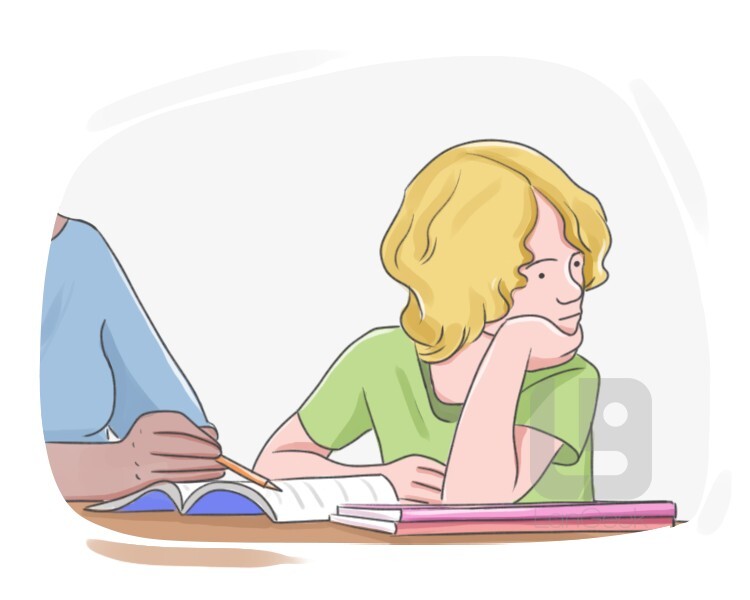
to not like a person or thing
Transitive: to dislike sb/sth
문법 정보
형태적 구성
파생어
상태 동사
규칙
현재 시제
dislike
3인칭 단수
dislikes
현재분사
disliking
단순 과거
disliked
과거분사
disliked
예시들
He dislikes cold weather; he prefers warmer climates.
그는 추운 날씨를 좋아하지 않습니다; 그는 더 따뜻한 기후를 선호합니다.
02
싫어하다
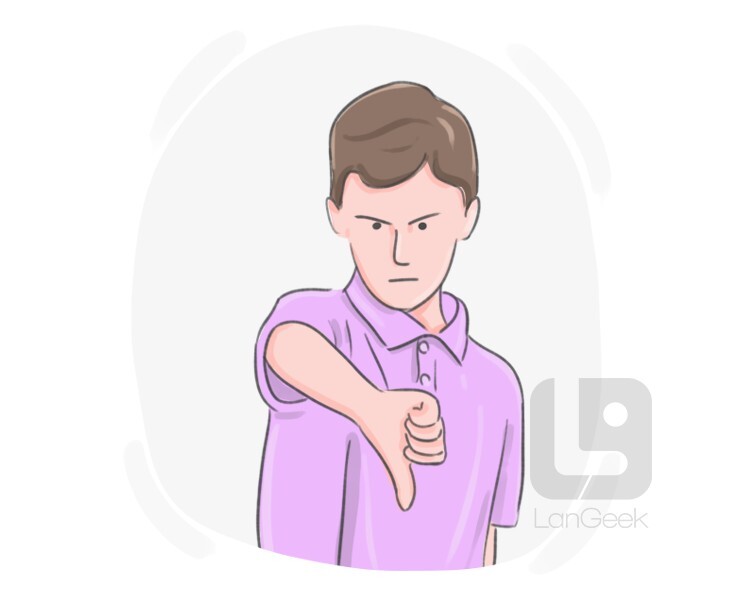
to express a negative sentiment or lack of approval towards a post, comment, or content by indicating one's dissatisfaction or disagreement with it, often through the use of a dislike button or similar feature provided by the platform
Transitive: to dislike social media content
예시들
She disliked the comment by clicking the thumbs-down button.
그녀는 싫어요 버튼을 클릭하여 댓글에 대한 싫어요를 표시했습니다.
Dislike
01
싫음, 혐오
the feeling of not liking something or someone
문법 정보
유생성 상태
추상
형태적 구성
합성어
가산
singular
not gender specific
복수형
dislikes
예시들
She has a strong dislike for spicy foods.
그녀는 매운 음식에 대한 강한 싫어함을 가지고 있습니다.
02
싫어요, 비승인
a negative reaction or expression of disapproval on social media
예시들
The post received hundreds of dislikes on the platform.
그 게시물은 플랫폼에서 수백 개의 싫어요를 받았습니다.
03
싫어함, 혐오
something that a person does not enjoy or feels strongly negative about
예시들
Broccoli was his biggest dislike.
브로콜리는 그의 가장 큰 싫어함이었다.
LanGeek
모바일 앱 다운로드

어휘 나무
dislike
like

