

Search
Select the dictionary language





























a man regarded as ineffectual, feeble, or unable to manage his domestic or personal responsibilities
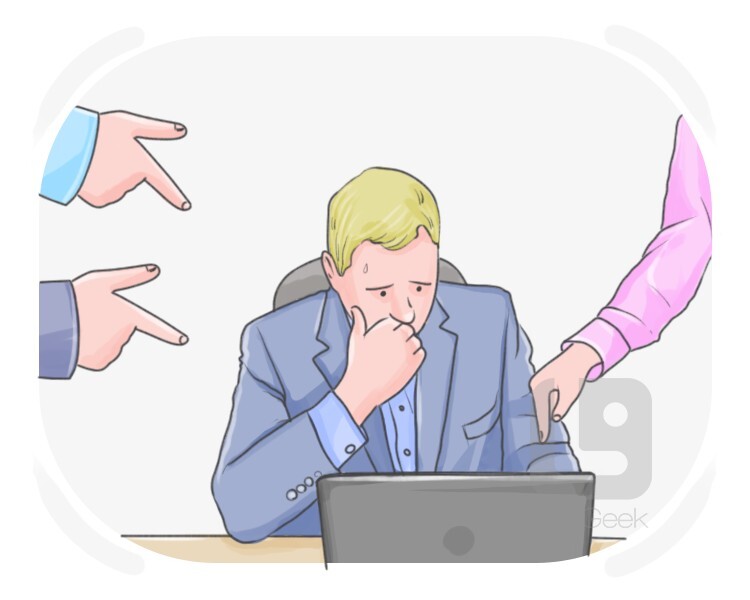
What is the origin of the term "pumpkin eater" and how is it used?
"Pumpkin eater" is an English slang term derived from the nursery rhyme "Peter, Peter, Pumpkin Eater," which dates back to at least the 17th century. While the rhyme's original meaning is ambiguous, the phrase came to describe a man regarded as ineffectual, feeble, or unable to manage his domestic or personal responsibilities. It emphasizes weakness, incompetence, or a lack of authority in personal or household matters. The term appears in informal speech, literature, and social commentary, often with a lightly mocking or humorous tone. It is mildly derogatory, focusing on incapacity rather than moral failing.
a man regarded as possessive, jealous, or overly controlling of his spouse or partner
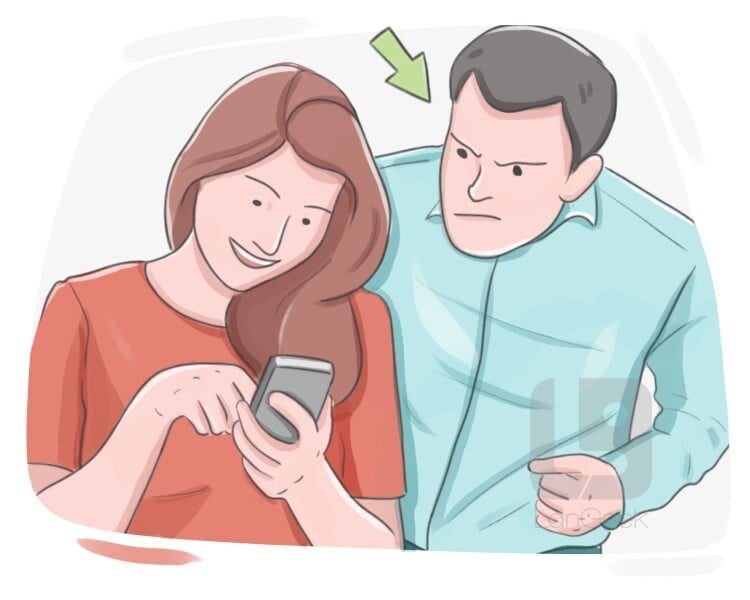
What is the origin of the term "pumpkin eater" and how is it used?
"Pumpkin eater" is an English slang term that dates back to at least the 17th century, originating from the nursery rhyme "Peter, Peter, Pumpkin Eater," in which a man keeps his wife confined. The phrase came to metaphorically describe a man regarded as possessive, jealous, or overly controlling of his spouse or partner. It has appeared in literature, social commentary, and informal speech to critique domineering or jealous behavior in relationships. The term is mildly to moderately derogatory, targeting personality and relational behavior rather than physical traits, and is often used humorously or lightly mocking.
LanGeek


