

Search
Select the dictionary language





























the flow and movement of blood around and in all parts of the body
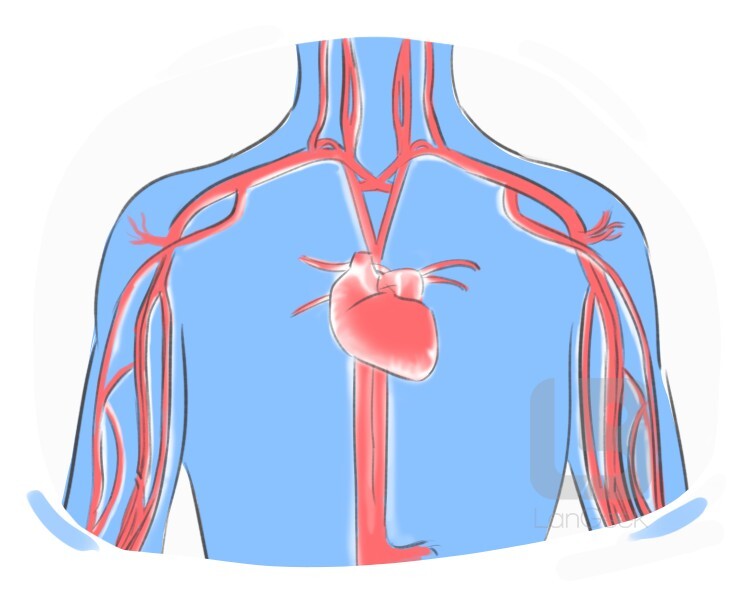
What is "circulation"?
Circulation refers to the continuous movement of blood throughout the cardiovascular system. It is driven by the rhythmic contractions of the heart and facilitated by a network of blood vessels, including arteries, veins, and capillaries. Circulation ensures the delivery of oxygen, nutrients, hormones, and other vital substances to all tissues and organs while removing waste products and carbon dioxide. It plays a vital role in maintaining cellular function, supporting organ systems, regulating body temperature, and facilitating the immune response. Proper circulation is essential for overall health and well-being.
the total number of copies of a newspaper or magazine distributed, including both sales and delivery to readers

What is "circulation"?
Circulation refers to the number of copies of a newspaper, magazine, or other periodical that are distributed to readers, either through subscriptions or sales. It is a key measure of the reach and popularity of a publication. A higher circulation indicates that more people are reading the publication, which can make it more attractive to advertisers. Circulation can be broken down into different types, such as paid circulation, where readers pay for a subscription or single copy, and controlled circulation, where copies are distributed for free to a targeted audience.
the process by which something such as money, information, or rumors spreads among people or within a system
the movement of a substance within an organism or system, such as sap in plants or cytoplasm in a cell
(in libraries) the measure of how many books are borrowed over a certain period
LanGeek
Download Our Mobile App

Lexical Tree

