

Search
Select the dictionary language





























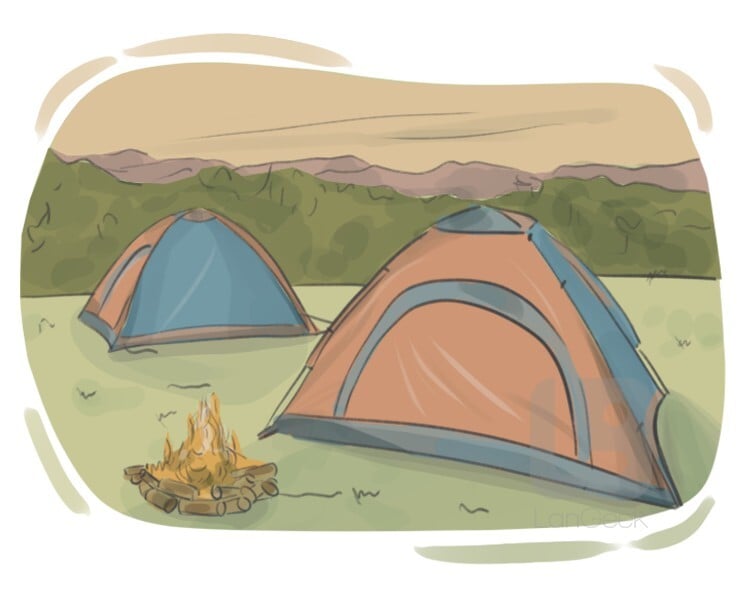
a community or settlement established primarily for housing and employment purposes
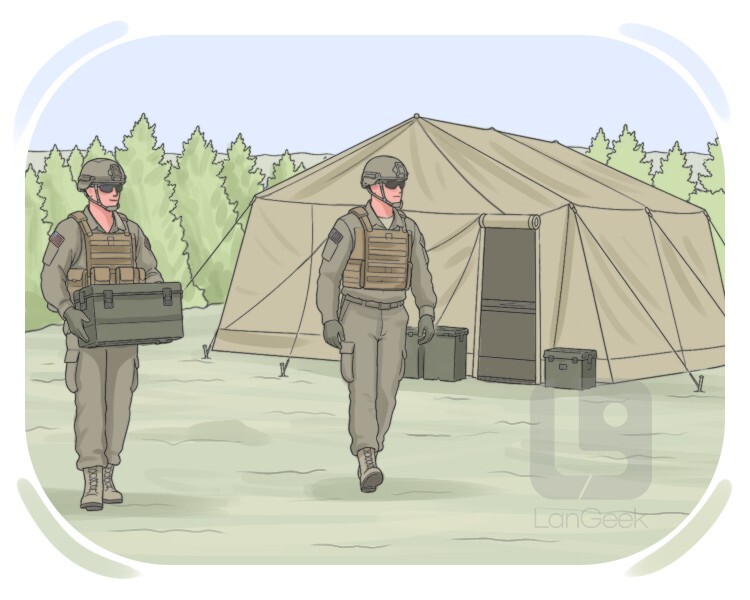
a recreational facility where children participate in organized activities during the summer
 American
a correctional facility where individuals are imprisoned, often under harsh conditions
a temporary refuge for people forced to flee their homes due to conflict, oppression, or persecution
a group that shares a common belief, often in opposition to others
a facility or location designated for athletes to prepare and practice in preparation for an upcoming sports season
a style or work that is humorous or entertaining due to its lack of originality, often associated with clichés
a historical location that served as a defensive settlement, typically from the Iron Age
 British
to make a temporary home or shelter, usually outdoors or in the wild
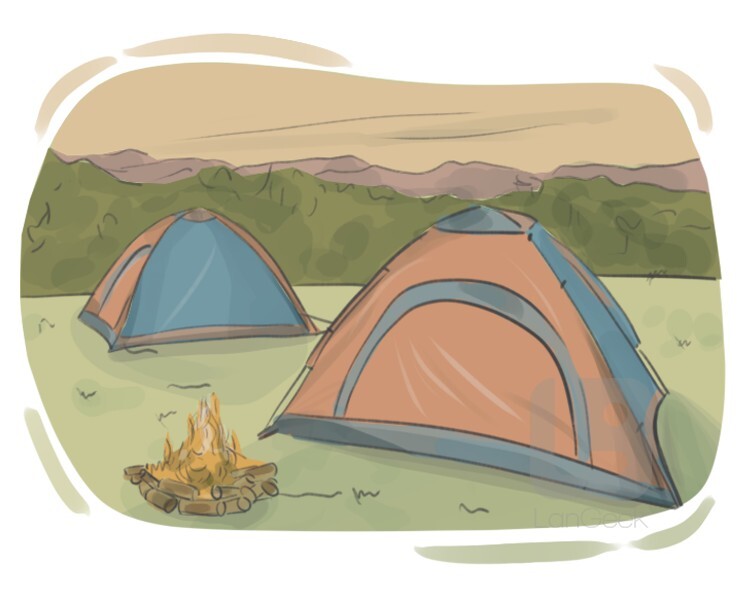
to live temporarily outdoors, often in a tent or camper
(of a character in a video game) to hide or stay in one spot for an extended period of time in order to remain safe or to ambush other players
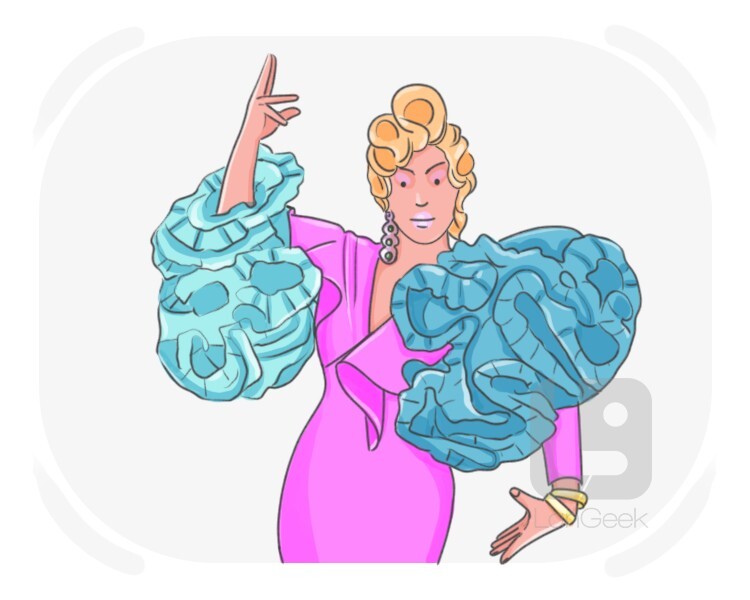
characterized by exaggerated, theatrical, or playful style often linked with queer aesthetics or overt femininity
What is the origin and meaning of the word "camp"?
The term camp describes an exaggerated, theatrical, and often humorous style that embraces artifice, irony, and extravagance, and it has deep roots in queer culture. Popularized in part by Susan Sontag's 1964 essay "Notes on 'Camp'," the aesthetic celebrates what is over-the-top, playful, and self-aware, often turning bad taste into high art. Camp can be expressed through fashion, performance, or behavior, and it has been a hallmark of drag culture, LGBTQIA+ theater, and pop icons who embrace flamboyance.
marked by deliberate artificiality or sentimental exaggeration that becomes amusing through its self-conscious style
LanGeek
Download Our Mobile App

Lexical Tree

