

Search
Select the dictionary language





























a round organ on the body of some animals that helps them stick to a surface

What is a "sucker"?
A sucker is a specialized organ or structure found in certain animals used to attach themselves to surfaces or other animals. Suckers are most commonly found in cephalopods, such as octopuses and squids, and in fish, such as catfish and lampreys. These animals use their suckers to hold onto prey, climb, or attach themselves to rocks or other objects in their environment. The suckers are typically composed of circular muscle fibers, which can contract and expand to create suction, as well as specialized tissues that secrete adhesive substances to increase grip.
a gullible person who is easily cheated or taken advantage of
 American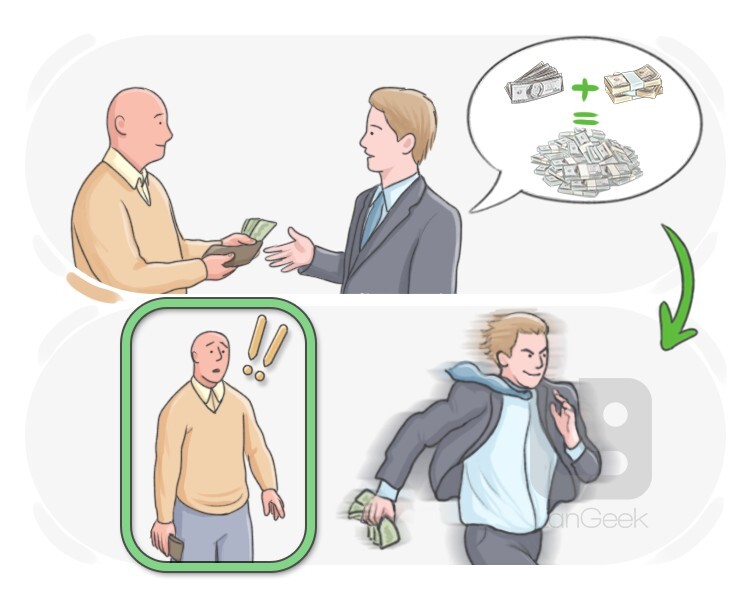
What is the origin of the term "sucker" and how is it used?
"Sucker" meaning a gullible person dates to the 19th century and likely comes from the literal idea of something easily drawn in or pulled, like a fish taking bait. It came to describe someone easily cheated or taken advantage of. The term is widely used in informal speech, scams, and criticism. It is derogatory but not vulgar.
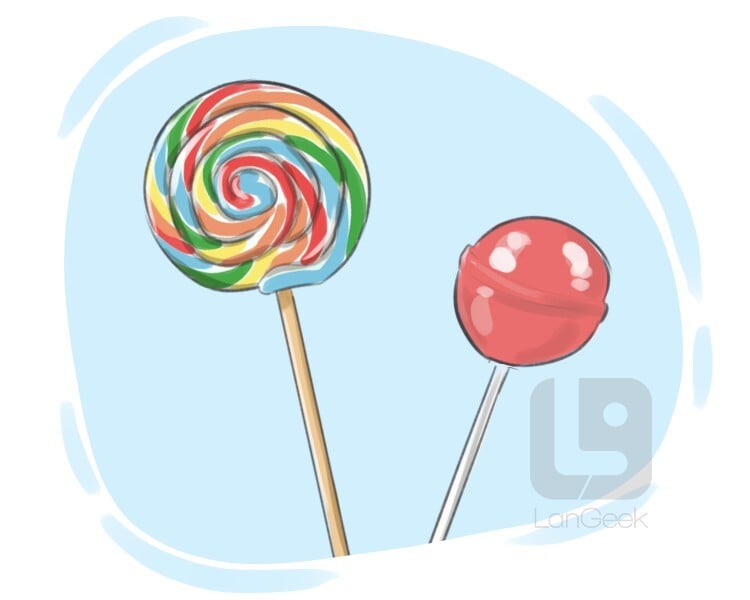
hard candy on a stick
a person in general, often used for emphasis
American
What is the origin of the term "sucker" and how is it used?
"Sucker" used to mean a person in general developed as a colloquial extension of the insult sense, where the word became a casual way to refer to someone, often with emphasis or attitude. This usage appears in 20th-century American slang and informal speech. It is usually context-dependent, sometimes playful, sometimes mildly disrespectful.
mostly North American freshwater fishes with a thick-lipped mouth for feeding by suction; related to carps
a drinker who sucks (as at a nipple or through a straw)
a shoot arising from a plant's roots
an unspecified thing, used for emphasis
AmericanWhat is the origin of the term "sucker" and how is it used?
"Sucker" meaning an unspecified thing comes from the same casual slang extension where the word functions as a filler noun, similar to "thing" or "item," often with emphasis. This usage became common in informal American English in the late 20th century. It is neutral to informal in tone, with little or no insult intended depending on context.
LanGeek
Download Our Mobile App

Lexical Tree

