

Search
Select the dictionary language





























a machine that can perform tasks automatically
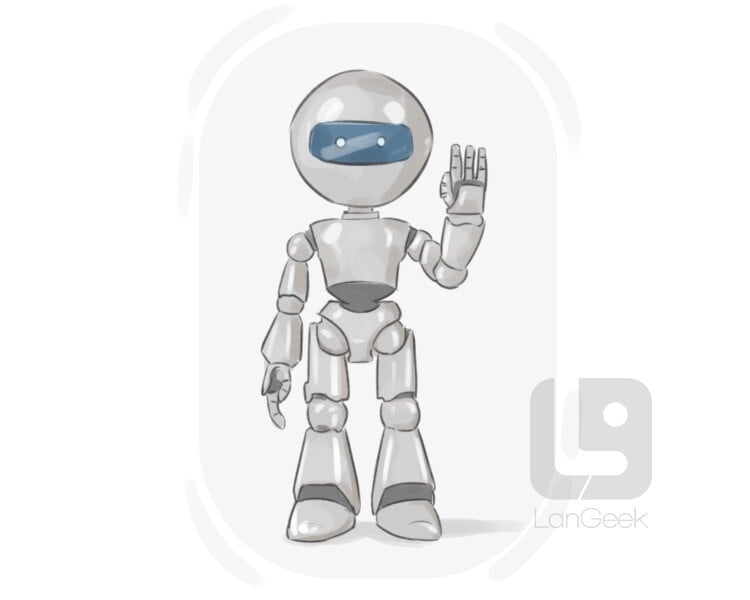
a street dance style characterized by precise, mechanical movements that mimic the stilted, jerky actions of a robot or mannequin, often confused with popping
a person regarded as mechanical, emotionless, or lacking individuality
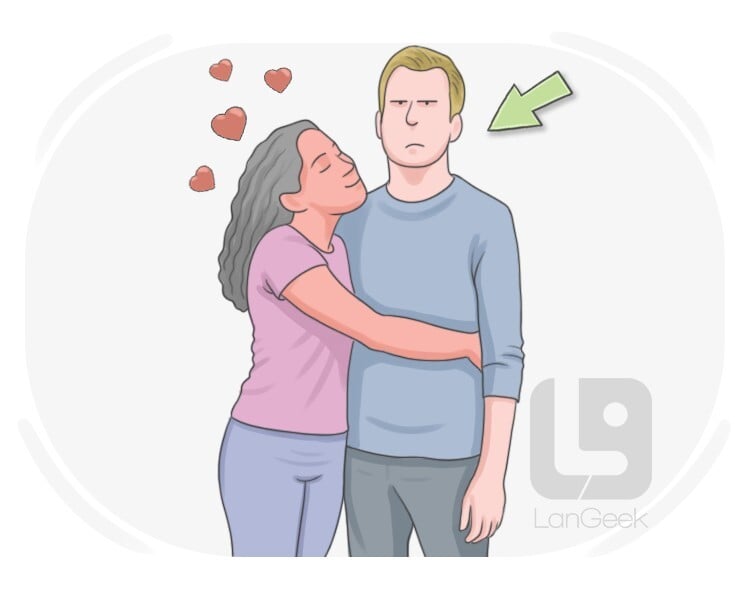
What is the origin of the term "robot" and how is it used?
"Robot" comes from the Czech word robota, meaning forced labor or drudgery, and entered English in the early 20th century through Karel Čapek's 1920 play R.U.R. (Rossum's Universal Robots). While it originally referred to artificial workers, it was soon applied metaphorically to people perceived as mechanical, emotionless, or lacking individuality. This usage reflects fears about industrialization, conformity, and loss of human agency. It is used in everyday speech, criticism, and social commentary to describe people seen as rigid, unthinking, or overly obedient. The term is context-dependent: it can be mildly derogatory as an insult, but neutral or descriptive in discussions about behavior shaped by systems or routines.
LanGeek
Download Our Mobile App

Lexical Tree

