

Search
Select the dictionary language





























an aromatic plant that grows in temperate regions, the leaves of which are used in cooking
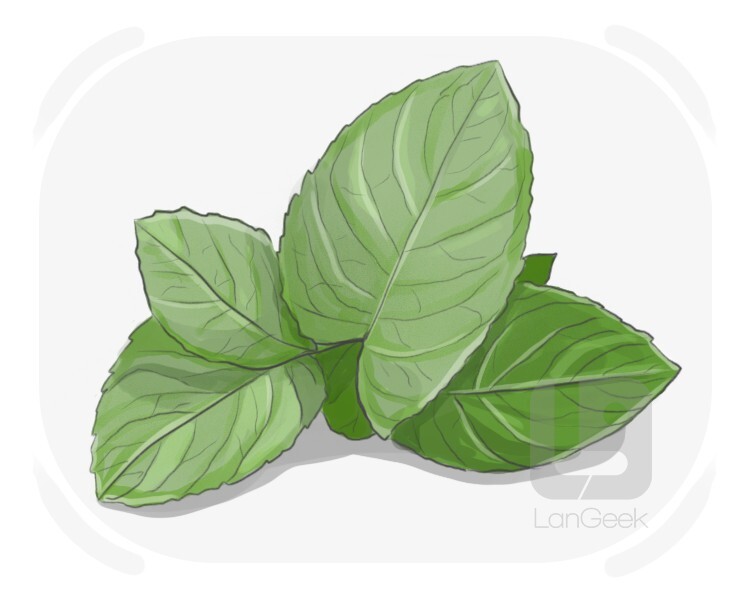
What is "mint "?
Mint is a versatile herb with bright green, serrated leaves and a refreshing, aromatic flavor. It has a cool, slightly sweet taste with hints of citrus and pepper. Mint is widely used in culinary traditions around the world, where it adds a fresh and vibrant touch to both sweet and savory dishes. It is commonly used as a garnish or ingredient in salads, teas, cocktails, and desserts, as well as in savory dishes like lamb, salads, and sauces. Mint leaves can be used both fresh and dried, and the herb is known for its ability to aid digestion and freshen breath. Overall, mint is cherished for its versatility, flavor, and aromatic qualities, making it a beloved herb in many kitchens.
(often followed by `of') a large number or amount or extent
a plant where money is coined by authority of the government
a candy that is flavored with a mint oil
any member of the mint family of plants
having a pale and refreshing shade of green, resembling the color of mint leaves
as if new
excellent, very good, or of high quality
 British
What does "mint" mean in British slang?
The structure is a simple adjective borrowed from the word for the plant or a place where coins are made (the Royal Mint), implying something valuable or perfect. It is used in British English, particularly in Northern England (especially Yorkshire, Manchester, and Liverpool), to mean excellent, very good, or of high quality. People typically say "That's mint" or "The gig was mint last night." The term originated in 20th century Northern English slang, possibly from the idea of "mint condition" (like a perfectly preserved coin), and remains common in informal UK speech, especially among younger speakers.
form by stamping, punching, or printing
to make a lot of money, often quickly or easily
LanGeek
Download Our Mobile App

Lexical Tree

