






























Underground
01
地铁, 地下铁路
a city's railway system that is below the ground, usually in big cities
Dialect British
British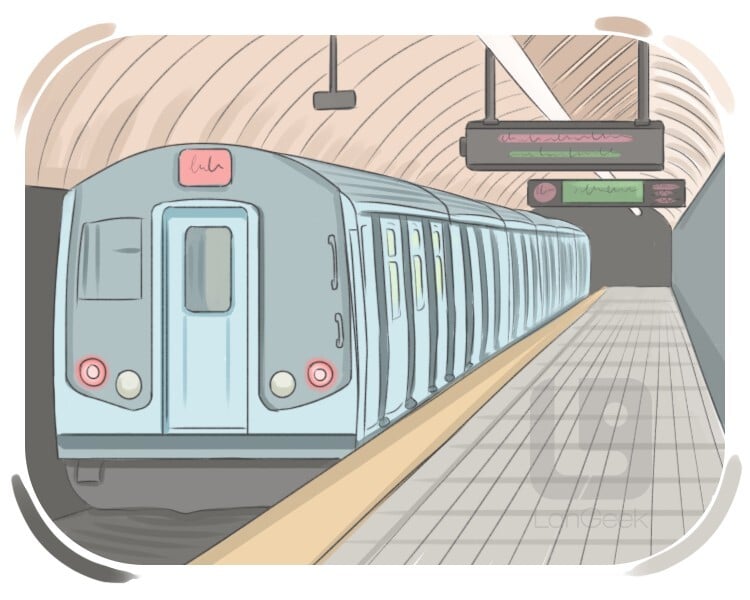
语法信息
有生性状态
无生命
形态构成
复合词
不可数
singular
not gender specific
复数形式
undergrounds
例子
The underground system in London is one of the oldest and most extensive in the world.
伦敦的地铁是世界上最古老和最广泛的地铁之一。
02
地下组织, 抵抗
a group or organization that operates secretly to resist or overthrow a government or authority
例子
The underground played a crucial role in organizing protests against the oppressive regime.
地下组织在组织反对压迫政权的抗议活动中发挥了关键作用。
underground
01
地下的, 地下
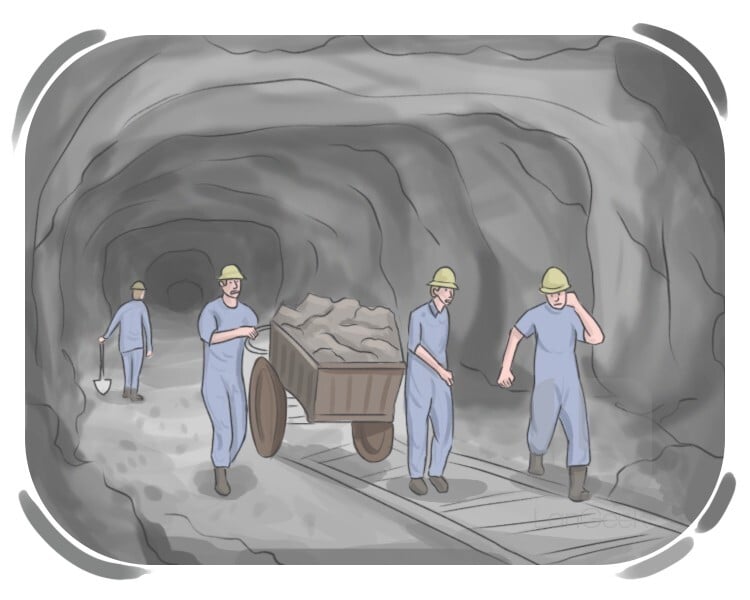
situated, operating, or existing beneath the surface of the ground
语法信息
形态构成
简单词
关系形容词
不可分级
领域
location, transportation, infrastructure
例子
The underground subway system provides efficient transportation in the city.
地下地铁系统在城市中提供高效的交通。
02
地下的, 秘密的
operating in secrecy, often involving activities that are illegal

例子
The underground deal between the two companies violated international trade laws.
两家公司之间的地下交易违反了国际贸易法。
03
地下的, 另类的
(of activities, creations, etc.) operating independently of or in opposition to mainstream culture or established systems
例子
She enjoys exploring the underground music scene, where emerging artists perform in intimate venues.
她喜欢探索地下音乐场景,那里有新兴艺术家在私密场所表演。
underground
语法信息
adverb of place
例子
The animals hibernate underground during the winter months.
动物在冬季月份里在地下冬眠。
02
秘密地, 地下
in a secretive or concealed manner, often to avoid detection or operate covertly
例子
The rebel leader operated underground for years to organize resistance.
叛乱领袖秘密活动多年以组织抵抗。


