

Szukaj





























to repress
01
tłumić, powstrzymywać
to stop the expression of thoughts, feelings, or actions
Transitive: to repress thoughts or feelings
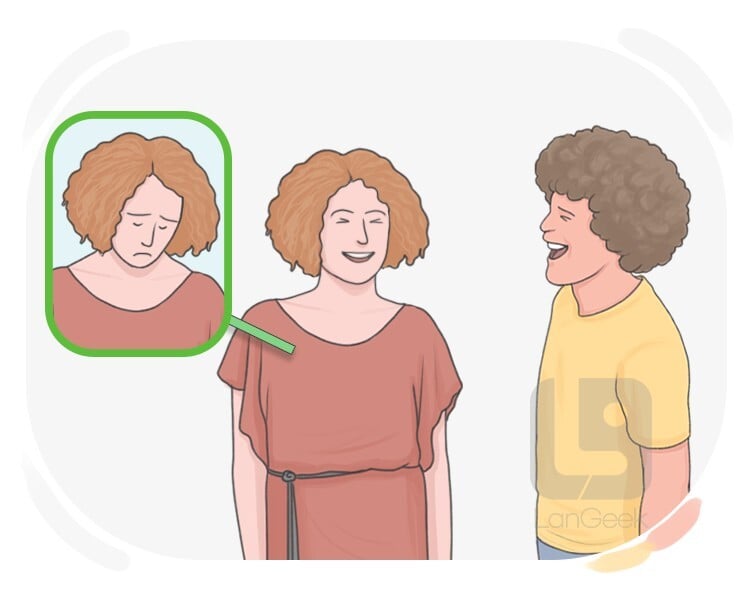
Przykłady
He had to repress his anger when his team lost the game.
Musiał stłumić swój gniew, gdy jego drużyna przegrała mecz.
02
tłumić, represjonować
to suppress a rebellion, protest, or uprising through use of authority or force
Transitive: to repress a protest or uprising
informacje gramatyczne
budowa morfologiczna
pochodny
czasownik czynnościowy
regularny
czas teraźniejszy
repress
3. osoba liczby pojedynczej
represses
imiesłów czynny
repressing
czas przeszły prosty
repressed
imiesłów bierny
repressed
Przykłady
The authoritarian regime represses dissent by silencing opposition voices and censoring the media.
Autorytarny reżim tłumi sprzeciw, uciszając głosy opozycji i cenzurując media.
03
tłumić, powstrzymywać
to exclude unacceptable desires, thoughts, or memories from the conscious mind
Transitive: to repress memories
Przykłady
She represses her painful memories of the accident, refusing to confront them.
Ona tłumi swoje bolesne wspomnienia wypadku, odmawiając konfrontacji z nimi.
04
tłumić, powstrzymywać
to hold back or prevent something from being expressed, developed, or revealed
Transitive: to repress an urge or action
Przykłady
She tried to repress her laughter during the serious meeting.
Starała się powstrzymać śmiech podczas poważnego spotkania.
LanGeek
Pobierz naszą aplikację mobilną

Drzewo Leksykalne
repressed
represser
repressing
repress

