






























to theorize
01
이론화하다, 가설을 세우다
to formulate a hypothesis to explain something, often as a starting point for further investigation or study
Transitive: to theorize that
예시들
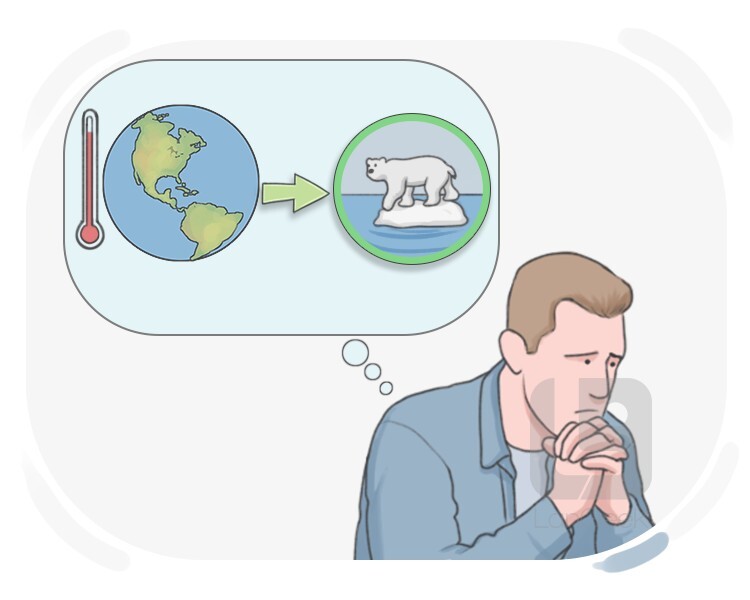
Scientists theorized that the changes in temperature were causing the polar ice caps to melt more rapidly.
과학자들은 온도 변화가 극지방의 빙모를 더 빠르게 녹게 하고 있다고 이론화했습니다.
02
이론화하다, 추측하다
to express various scenarios about something without necessarily basing it on evidence or facts
Intransitive: to theorize | to theorize about sth
문법 정보
형태적 구성
파생어
동작 동사
규칙
현재 시제
theorize
3인칭 단수
theorizes
현재분사
theorizing
단순 과거
theorized
과거분사
theorized
예시들
We spent the afternoon theorizing about what aliens might look like and how they would communicate.
우리는 오후를 외계인이 어떻게 생겼을지 그리고 어떻게 의사 소통을 할지에 대해 이론을 세우며 보냈습니다.
03
이론화하다, 이론을 제기하다
to suggest an explanation or idea based on reasoning or evidence
Transitive: to theorize an explanation or idea
예시들
The researcher theorized a connection between diet and improved memory.
연구자는 식이요법과 기억력 향상 사이의 연관성을 이론화했습니다.
LanGeek
모바일 앱 다운로드

어휘 나무
theorizer
theorizing
theorize
theory

