






























to spat
01
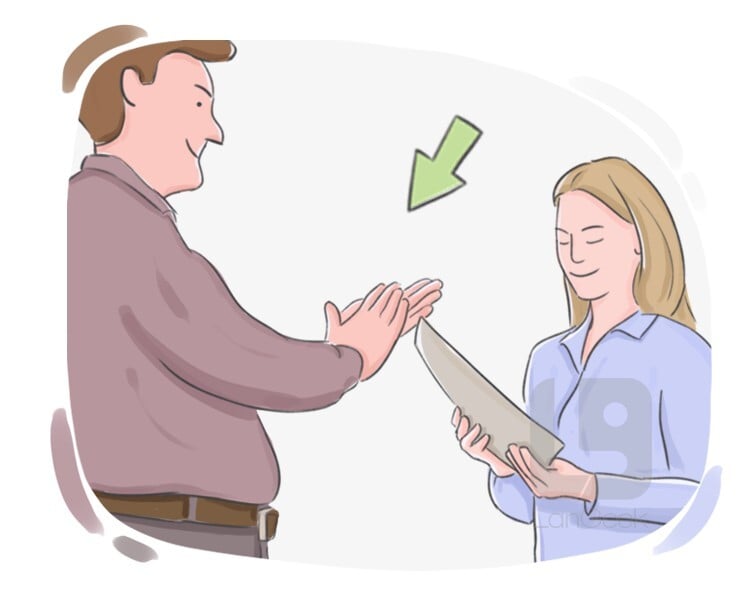
치다, 박수치다
to clap together or strike the hands
Transitive: to spat one's hands
문법 정보
형태적 구성
단순어
동작 동사
규칙
현재 시제
spat
3인칭 단수
spats
현재분사
spatting
단순 과거
spatted
과거분사
spatted
예시들
The children gathered in a circle, singing and spatting their hands in time with the music.
아이들은 원으로 모여 노래를 부르며 음악에 맞춰 손을 박수 쳤다.
02
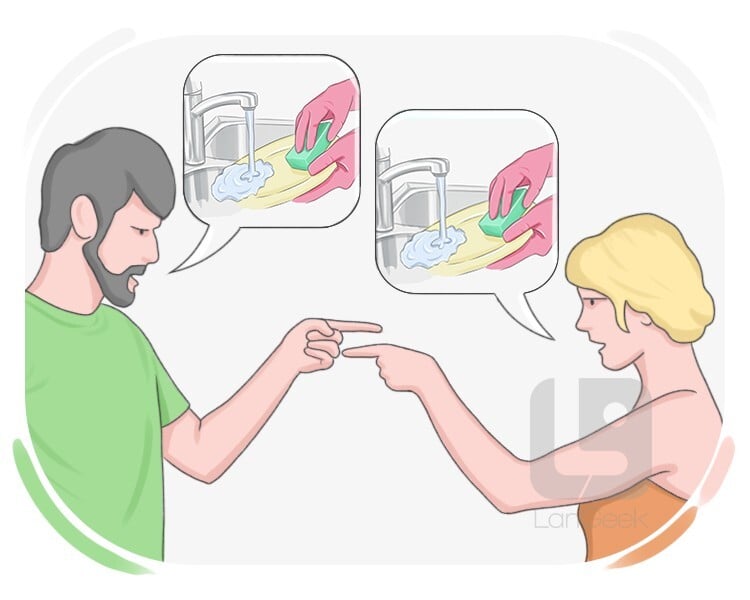
말다툼하다, 다투다
to have a quick and small argument, usually over unimportant matters
Intransitive: to spat | to spat about sth | to spat over sth
예시들
Friends occasionally spat about choosing a place to eat for lunch.
친구들은 가끔 점심 먹을 장소를 고르는 것에 대해 말다툼을 했다.
03
산란하다, 유생을 방출하다
(of shellfish) to spawn or release larvae
Intransitive
예시들
The oysters spat during the breeding season, releasing their larvae into the water.
굴은 번식기 동안 산란하여 유생을 물속으로 방출합니다.
04
튀다, 찰싹거리다
to produce a splattering or smacking noise
Intransitive
예시들
The rain spatted against the windowpane, creating a rhythmic tapping sound.
비가 창문 유리 위에 튀어, 리드미컬한 두드리는 소리를 냈다.
Spat
01
사소한 일로 인한 짧은 말다툼, 하찮은 논쟁
a short quarrel about a matter that is unimportant
문법 정보
유생성 상태
추상
형태적 구성
단순어
가산
singular
not gender specific
복수형
spats
02
어린 굴, 최근에 정착한 굴
a young oyster or other bivalve that has recently settled and attached itself to a surface in its natural habitat
03
각반, 스패츠
a cloth covering (a legging) that covers the instep and ankles
LanGeek
모바일 앱 다운로드

어휘 나무
spatter
spat

