






























to spat
01
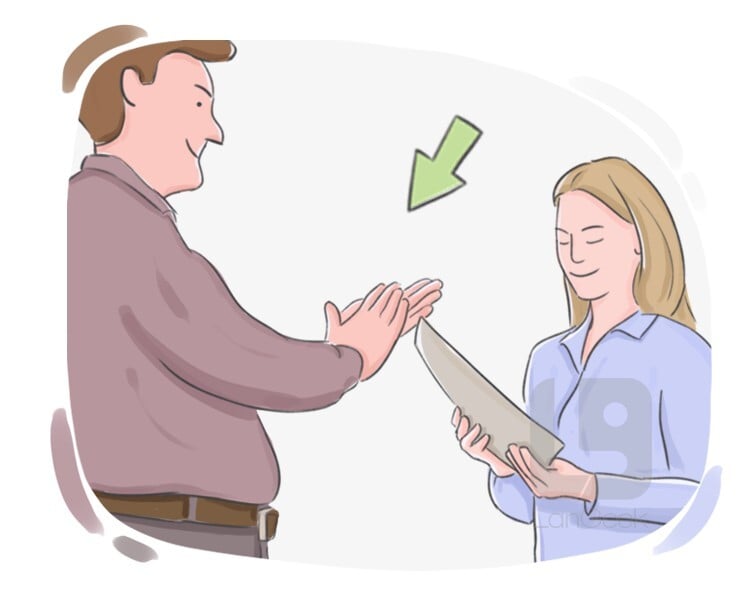
叩く, 拍手する
to clap together or strike the hands
Transitive: to spat one's hands
文法情報
形態的構成
単純語
動作動詞
規則的
現在時制
spat
三人称単数
spats
現在分詞
spatting
単純過去
spatted
過去分詞
spatted
例
The children gathered in a circle, singing and spatting their hands in time with the music.
子供たちは輪になって集まり、歌いながら音楽に合わせて手を叩いた。
02
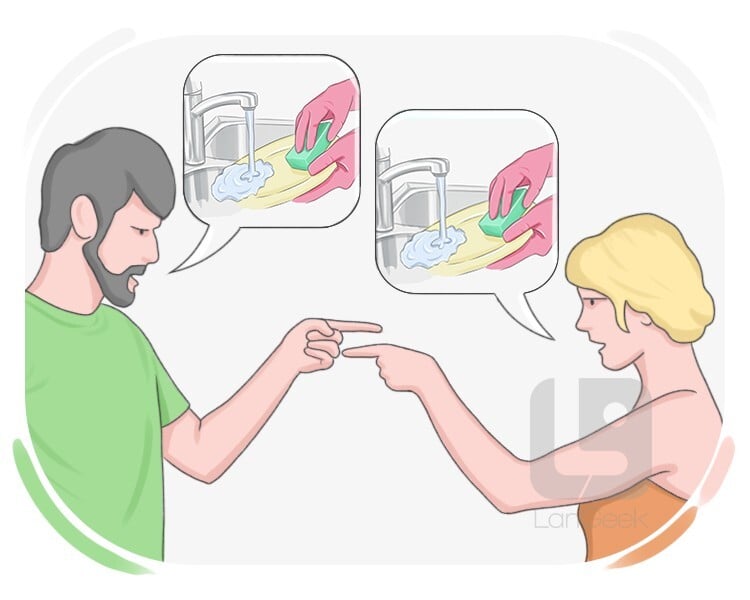
言い争う, 口論する
to have a quick and small argument, usually over unimportant matters
Intransitive: to spat | to spat about sth | to spat over sth
例
Friends occasionally spat about choosing a place to eat for lunch.
友達は時々、昼食を食べる場所を選ぶことで口論した。
03
産卵する, 幼生を放出する
(of shellfish) to spawn or release larvae
Intransitive
例
The oysters spat during the breeding season, releasing their larvae into the water.
カキは繁殖期に産卵し、幼虫を水中に放出します。
04
はねかける, パチンと音を立てる
to produce a splattering or smacking noise
Intransitive
例
The rain spatted against the windowpane, creating a rhythmic tapping sound.
雨が窓ガラスにはじけた、リズミカルなタッピング音を立てた。
Spat
01
つまらないことでの短い口論, 些細な言い争い
a short quarrel about a matter that is unimportant
文法情報
有生性の状態
抽象的
形態的構成
単純語
可算
singular
not gender specific
複数形
spats
02
稚貝, 若いカキ
a young oyster or other bivalve that has recently settled and attached itself to a surface in its natural habitat
03
脚絆, スパッツ
a cloth covering (a legging) that covers the instep and ankles
LanGeek
モバイルアプリをダウンロード
語彙ツリー
spatter
spat

