






























to patent
01
특허를 받다, 특허권을 얻다
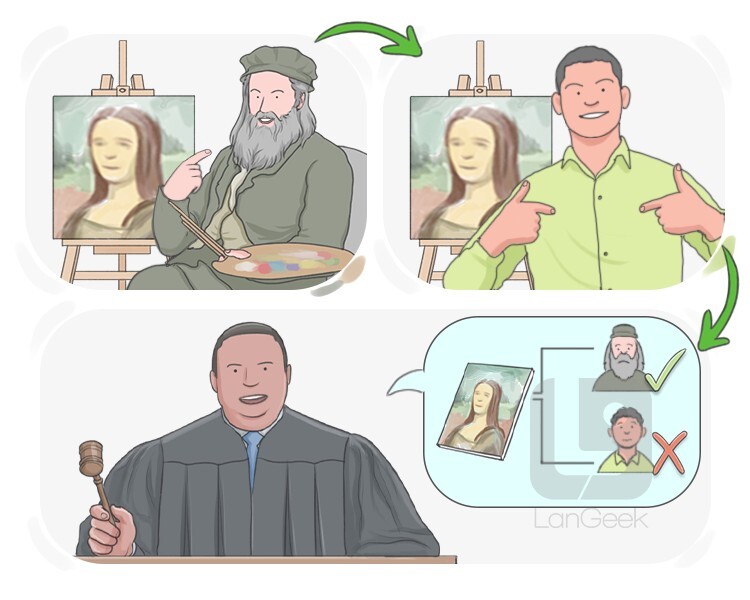
to obtain legal ownership and protection for an invention or innovation
Transitive: to patent an invention
문법 정보
형태적 구성
단순어
동작 동사
규칙
현재 시제
patent
3인칭 단수
patents
현재분사
patenting
단순 과거
patented
과거분사
patented
예시들
After years of hard work, the scientist was finally able to patent her novel medical discovery.
수년간의 노력 끝에, 그 과학자는 마침내 그녀의 새로운 의학적 발견을 특허할 수 있었다.
02
특허를 내다, 특허를 부여하다
to officially grant legal rights for an invention, innovation, or process
Transitive: to patent a product
예시들
The patent office patented the new solar panel design after reviewing the application.
특허청은 신청서를 검토한 후 새로운 태양광 패널 디자인을 특허했습니다.
patent

문법 정보
형태적 구성
단순어
성질형
최상급
most patent
비교급
more patent
등급화 가능
분야
clarity, perception, evaluation
예시들
The patent errors in the report led to immediate corrections.
보고서의 명백한 오류로 인해 즉시 수정이 이루어졌다.
02
개통된, 열린
(of a tube or passage in the body) open and allowing free passage
예시들
A patent blood vessel ensures proper circulation.
개방된 혈관은 적절한 순환을 보장합니다.
Patent
문법 정보
유생성 상태
무생물
형태적 구성
단순어
가산
singular
not gender specific
복수형
patents
예시들
The inventor received a patent for his innovative solar-powered car, protecting his design from being copied.
발명가는 그의 혁신적인 태양열 자동차에 대한 특허를 받아 디자인이 복제되는 것을 방지했습니다.
LanGeek
모바일 앱 다운로드

어휘 나무
patented
patent

