


























Agency
01
代理店, 事務所
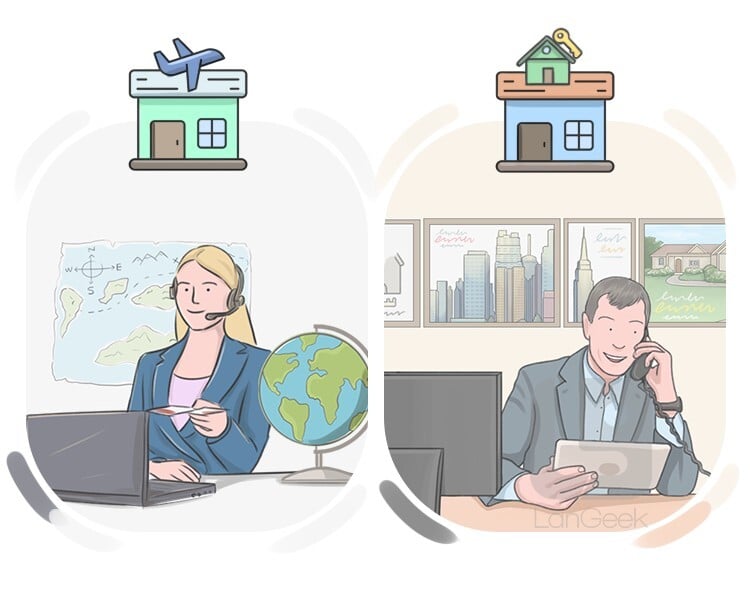
a business or organization that provides services to other parties, especially by representing them in transactions
例
A real estate agency helps facilitate transactions between property buyers and sellers.
不動産エージェンシーは、不動産の買い手と売り手の間の取引を円滑にするのに役立ちます。
02
庁, 機関
an administrative unit or organization within a government or larger institution
文法情報
有生性の状態
抽象的
形態的構成
複合語
可算
singular
not gender specific
複数形
agencies
例
The Environmental Protection Agency enforces regulations on pollution.
環境保護庁は汚染に関する規制を施行します。
03
機関, 行動力
the capacity or power of an individual or entity to take action, make decisions, and influence or control their environment or circumstances
例
In literature, characters with agency drive the plot forward through their actions and decisions.
文学において、エージェンシーを持つ登場人物は、彼らの行動と決定を通じてプロットを前進させます。
例
Education can be a powerful agency for social change.
教育は社会変革のための強力な手段となり得る。
05
代理, 委任
the capacity or state of acting on behalf of another as an authorized delegate or representative
例
The lawyer acted with full agency for her client.
弁護士は依頼人のために完全な代理で行動した。