






























subjective
01
主観的, 個人的
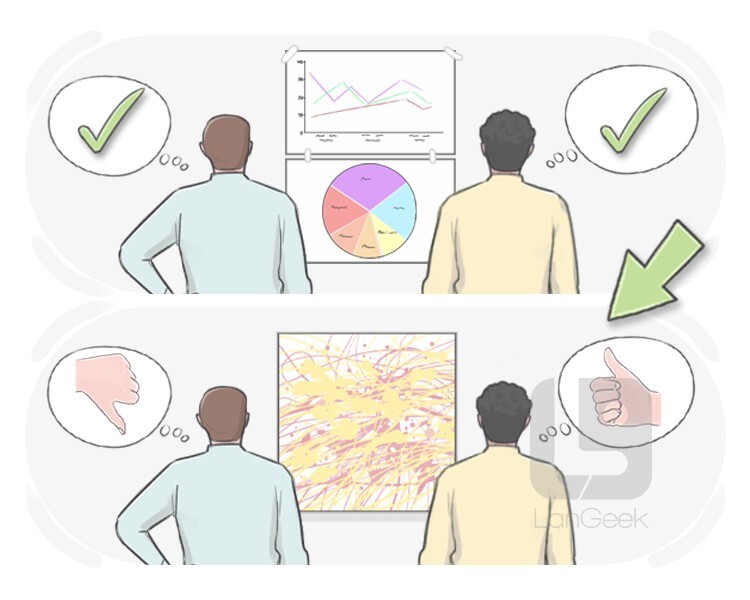
based on or influenced by personal feelings or opinions rather than facts
文法情報
形態的構成
単純語
性質形容詞
最上級
most subjective
比較級
more subjective
程度表現可
分野
cognition, evaluation, perception
例
The art critic's review was subjective, reflecting her personal taste rather than objective analysis.
その美術評論家のレビューは主観的で、客観的な分析ではなく彼女の個人的な好みを反映していた。
02
主観的, 個人的
existing within one's mind and dependent on one's perspective rather than reality
例
Reality can feel subjective, shaped by individual consciousness.
現実は主観的に感じられることがあり、個人の意識によって形作られます。
Subjective
01
主語, 主格
a grammatical role in which a noun or pronoun functions as the subject of a verb
文法情報
有生性の状態
抽象的
形態的構成
複合語
可算
singular
not gender specific
複数形
subjectives
例
In "She runs fast," "she" is in the subjective.
"彼女は速く走る"という文では、"彼女"は主格にあります。
LanGeek
モバイルアプリをダウンロード
語彙ツリー
nonsubjective
subjectively
subjectiveness
subjective
subject

