
to rebel
01
反逆する, 反抗する
to oppose a ruler or government
Intransitive: to rebel | to rebel against a ruler or government
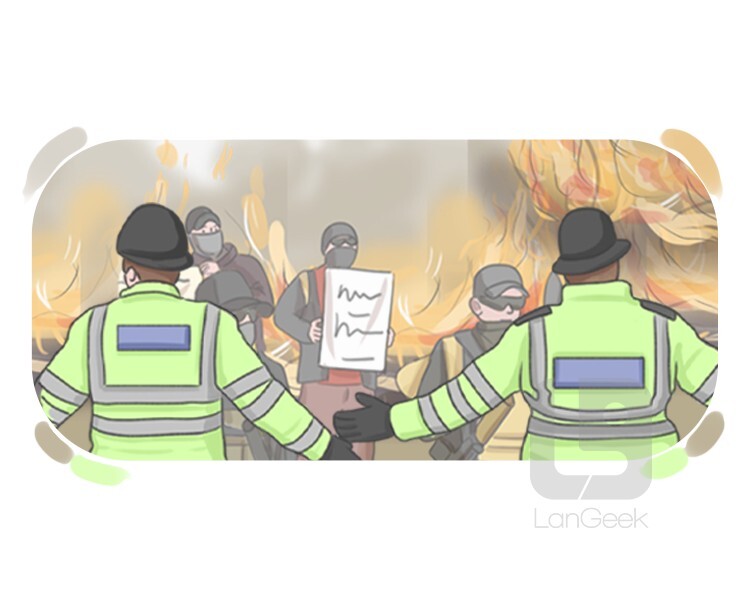

例
The citizens decided to rebel against the oppressive regime, demanding freedom and equality.
市民は、抑圧的な体制に対して反逆することを決意し、自由と平等を要求しました。
02
反抗する, 反逆する
to resist or refuse to follow rules, authority, or social norms
Transitive: to rebel against a rule or norm
例
The teenager decided to rebel against the curfew set by her parents.
その十代の少女は、両親によって設定された門限に対して反抗することを決めた。
Rebel
01
a member of the Confederate forces in the American Civil War
例
The historian studied the life of a rebel soldier during the Civil War.
02
a person who rises or fights against established authority, often to bring about change or reform
例
Rebels stormed the city to challenge the government.
03
反逆者, 反抗者
someone who resists or opposes authority, rules, or control
例
She acted like a rebel, always questioning authority and tradition.
彼女は反逆者のように振る舞い、常に権威と伝統に疑問を投げかけました。