






























Opposition
01
反対
a person or group that competes against another in a contest, competition, or conflict

例
The boxer trained hard to face his opposition in the final match.
ボクサーは、最終戦で相手に立ち向かうために一生懸命トレーニングしました。
02
野党
the main political party opposed to the government
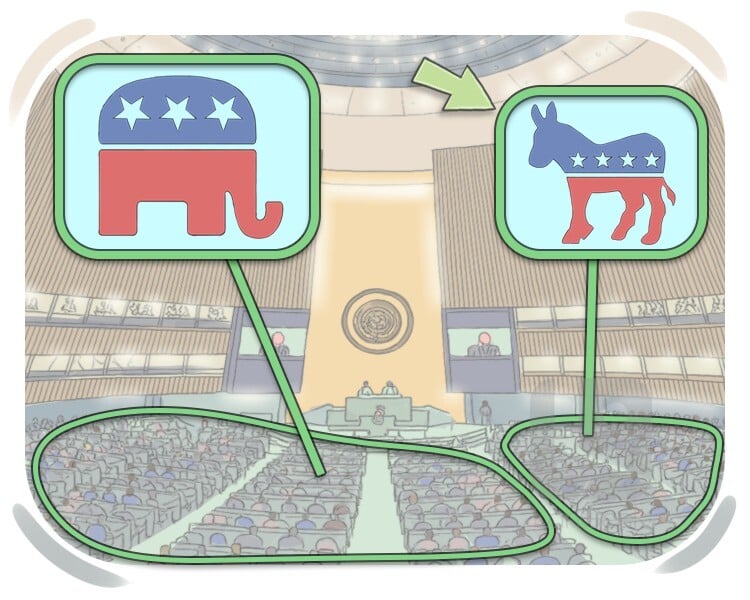
例
The opposition criticized the government's handling of the economic crisis.
野党は政府の経済危機への対応を批判した。
03
反対, 抵抗
the act of resisting, disagreeing with, or countering something
文法情報
有生性の状態
抽象的
形態的構成
複合語
不可算
singular
not gender specific
複数形
oppositions
例
The citizens voiced opposition to the new tax.
市民は新税に対する反対を表明した。
04
反対, 抵抗
the state or condition of being opposed
例
The opposition between good and evil is central to the story.
対立は善と悪の間で物語の中心です。
05
反対, 抵抗
the action of groups actively resisting or confronting each other
例
The opposition between rival factions led to unrest.
対立する派閥間の 反対 が不安を引き起こした。
06
敵, 対抗勢力
an armed adversary or opposing force in conflict
例
The troops engaged the opposition in the valley.
部隊は谷で反対勢力と交戦した。
07
反対, 逆
a direction directly opposite to another
例
The wind blew in opposition to the ship's course.
風が船の進路に逆らって吹いていた。
LanGeek
モバイルアプリをダウンロード

語彙ツリー
oppositional
opposition
oppose

