

Keresés
Válassza ki a szótár nyelvét





























to ignore
01
figyelmen kívül hagyni, nem vesz tudomást
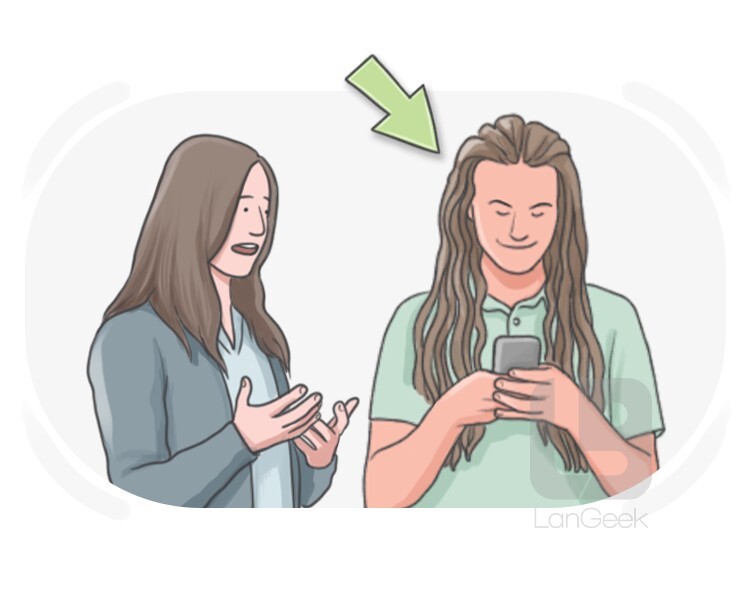
to intentionally pay no or little attention to someone or something
Transitive: to ignore sth
nyelvtani információk
morfológiai összetétel
egyszerű
cselekvést jelentő ige
szabályos
jelen idő
ignore
egyes szám 3. személy
ignores
folyamatos melléknévi igenév
ignoring
egyszerű múlt
ignored
befejezett melléknévi igenév
ignored
Példák
Despite the repeated warnings, he chose to ignore the safety guidelines.
Az ismételt figyelmeztetések ellenére úgy döntött, hogy figyelmen kívül hagyja a biztonsági irányelveket.
02
figyelmen kívül hagy, mellőz
to dismiss or disregard a formal accusation or charge, typically because it lacks sufficient evidence or merit
Transitive: to ignore an indictment
Példák
The judge ignored the indictment, stating there was no credible evidence to support the charge.
A bíró figyelmen kívül hagyta a vádemelést, kijelentve, hogy nincs hiteles bizonyíték a vád alátámasztására.
03
figyelmen kívül hagy, elhanyagol
to overlook or neglect something important or noteworthy
Transitive: to ignore something important
Példák
He ignored the warning signs and continued driving despite the storm.
Figyelmen kívül hagyta a figyelmeztető jeleket, és tovább vezetett a vihar ellenére.
04
figyelmen kívül hagy, elhanyagol
to fail to acknowledge or consider a crucial element or perspective in an argument or theory
Transitive: to ignore an aspect or detail
Példák
The theory ignores the impact of climate change on the region's economy.
Az elmélet figyelmen kívül hagyja az éghajlatváltozás hatását a régió gazdaságára.
Ignore
LanGeek
Töltse le mobilalkalmazásunkat

Lexikai Fa
ignorance
ignorant
ignored
ignore

