

Rechercher
Sélectionnez la langue du dictionnaire





























to ignore
01
ignorer
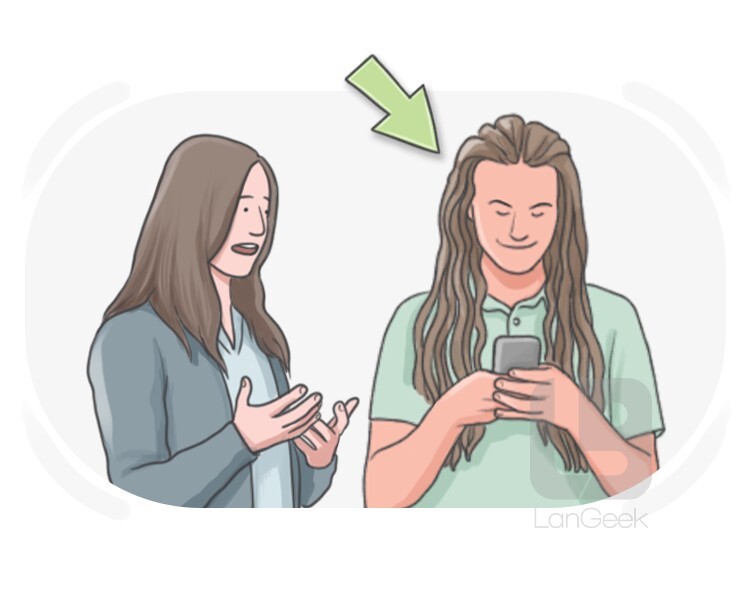
to intentionally pay no or little attention to someone or something
Transitive: to ignore sth
informations grammaticales
composition morphologique
simple
verbe d’action
régulier
présent
ignore
3e personne du singulier
ignores
participe présent
ignoring
passé simple
ignored
participe passé
ignored
Exemples
Despite the repeated warnings, he chose to ignore the safety guidelines.
Malgré les avertissements répétés, il a choisi d'ignorer les consignes de sécurité.
02
ignorer, mépriser
to dismiss or disregard a formal accusation or charge, typically because it lacks sufficient evidence or merit
Transitive: to ignore an indictment
Exemples
The judge ignored the indictment, stating there was no credible evidence to support the charge.
Le juge a ignoré l'acte d'accusation, déclarant qu'il n'y avait aucune preuve crédible pour étayer l'accusation.
03
ignorer, négliger
to overlook or neglect something important or noteworthy
Transitive: to ignore something important
Exemples
He ignored the warning signs and continued driving despite the storm.
Il a ignoré les signes d'avertissement et a continué à conduire malgré la tempête.
04
ignorer, négliger
to fail to acknowledge or consider a crucial element or perspective in an argument or theory
Transitive: to ignore an aspect or detail
Exemples
The theory ignores the impact of climate change on the region's economy.
La théorie ignore l'impact du changement climatique sur l'économie de la région.
Ignore
LanGeek
Téléchargez notre application mobile

Arbre Lexical
ignorance
ignorant
ignored
ignore

