

खोजें





























to let off
01
छोड़ देना, माफ करना
to not punish someone for a wrongdoing, or only give them a light punishment
Transitive: to let off sb with a small punishment | to let off sb for a wrongdoing
व्याकरणिक जानकारी
रूपात्मक संरचना
वाक्यांशीय
क्रियात्मक क्रिया
नियमित
विभाज्य
कण
off
मूल क्रिया
let
वर्तमान काल
let off
तृतीय पुरुष एकवचन
lets off
वर्तमान कृदंत
letting off
सरल भूतकाल
let off
भूत कृदंत
let off
उदाहरण
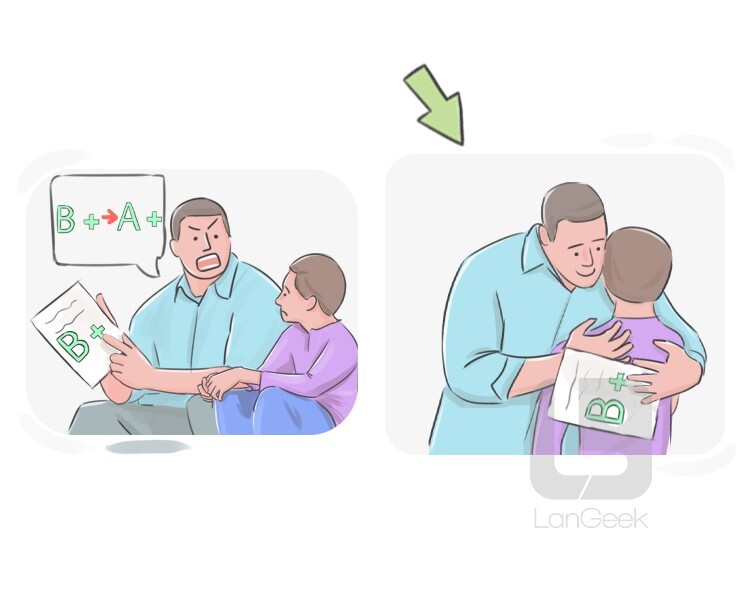
The parent let the child off for breaking a vase, understanding that it was an accident and not a deliberate act of mischief.
माता-पिता ने बच्चे को एक गमला तोड़ने के लिए माफ कर दिया, यह समझते हुए कि यह एक दुर्घटना थी और जानबूझकर की गई शरारत नहीं थी।
02
छोड़ना, विस्फोट करना
to cause an explosive weapon to discharge
Transitive: to let off an explosive
उदाहरण
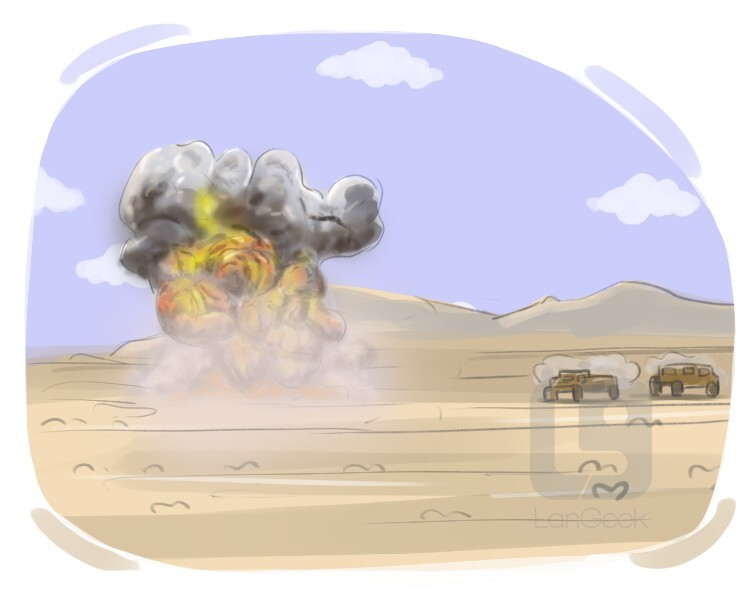
The soldiers let off a barrage of artillery fire during the battle.
सैनिकों ने युद्ध के दौरान तोपखाने की आग की एक बौछार छोड़ी।
03
माफ करना, छोड़ देना
to allow someone to be excused from a responsibility, obligation, or expectation
Dialect British
BritishTransitive: to let off sb
उदाहरण
The teacher let the students off early for the day due to the unexpected snowfall.
अप्रत्याशित हिमपात के कारण शिक्षक ने छात्रों को दिन के लिए छोड़ दिया।
LanGeek


