

Rechercher
Sélectionnez la langue du dictionnaire





























to let off
01
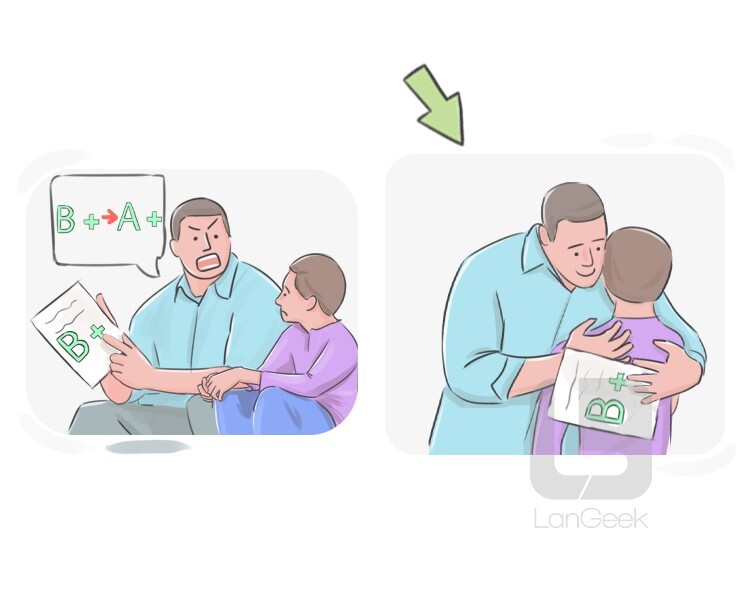
laisser partir, épargner
to not punish someone for a wrongdoing, or only give them a light punishment
Transitive: to let off sb with a small punishment | to let off sb for a wrongdoing
informations grammaticales
composition morphologique
à particule
verbe d’action
régulier
séparable
particule
off
verbe de base
let
présent
let off
3e personne du singulier
lets off
participe présent
letting off
passé simple
let off
participe passé
let off
Exemples
The parent let the child off for breaking a vase, understanding that it was an accident and not a deliberate act of mischief.
Le parent a laissé partir l'enfant pour avoir cassé un vase, comprenant que c'était un accident et non un acte de malice délibéré.
02
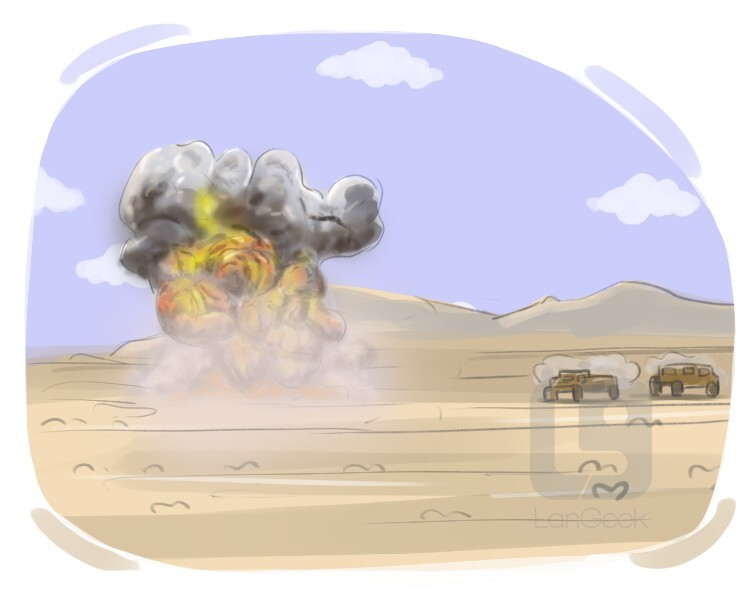
déclencher, faire partir
to cause an explosive weapon to discharge
Transitive: to let off an explosive
Exemples
The soldiers let off a barrage of artillery fire during the battle.
Les soldats ont déclenché une rafale de tirs d'artillerie pendant la bataille.
03
dispenser, libérer
to allow someone to be excused from a responsibility, obligation, or expectation
Dialect British
BritishTransitive: to let off sb
Exemples
The teacher let the students off early for the day due to the unexpected snowfall.
Le professeur a laissé partir les élèves plus tôt pour la journée en raison des chutes de neige inattendues.
LanGeek


